EN

Piazza della Rotonda: Exploring the Heart of Rome

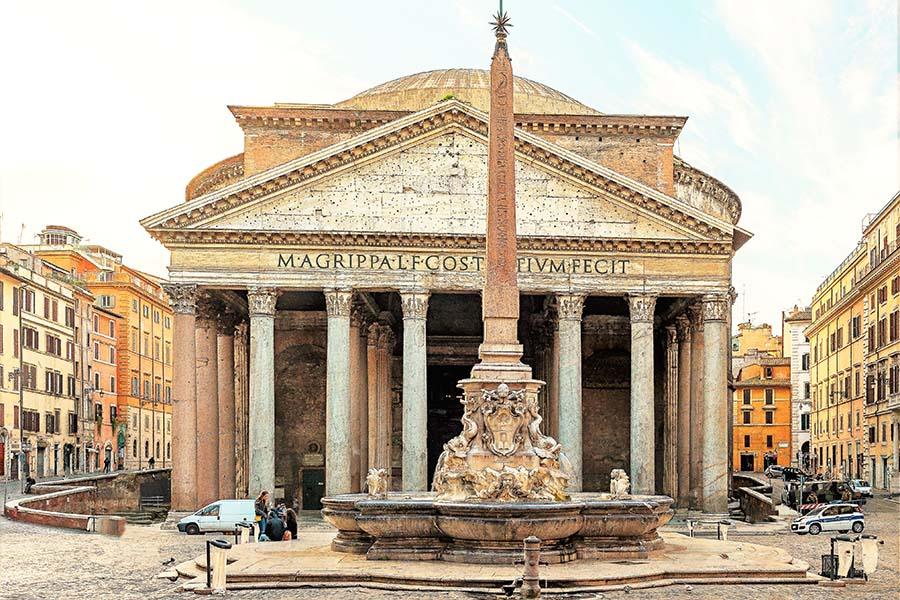
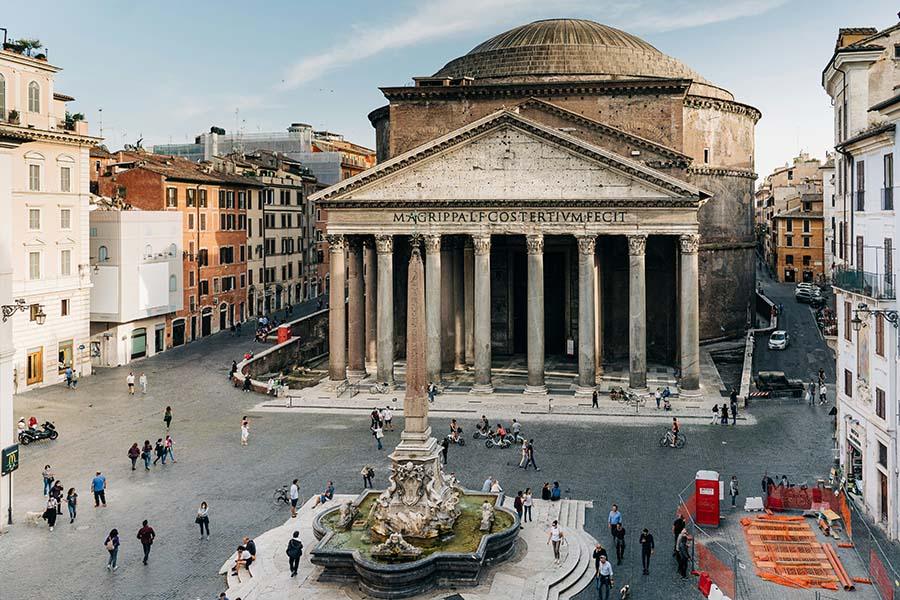
The square of pantheon in rome, officially known as Piazza della Rotonda, is a vibrant, must-see public space right in the historical core of the Eternal City. Dominated by the magnificent Pantheon, this square is not just a transit point but a destination in itself, brimming with history, architectural marvels, and a lively Roman atmosphere.

Overview of Piazza della Rotonda

Located in the Rione Pigna district, Piazza della Rotonda is one of the city’s most famous and beloved squares. Its unique name, Rotonda (Rotunda), comes from the popular name given to the Pantheon, which was converted into the Basilica of Santa Maria ad Martyres. The piazza’s charm lies in its harmonious blend of ancient grandeur and contemporary Roman life, making it the perfect spot to soak up the city’s spirit.

Historical Significance of Piazza della Rotonda

The square’s history is inextricably linked to the Pantheon. In ancient Roman times, the area served as a wide-open space in front of the temple. Over the centuries, particularly in the Renaissance, the square took its current shape. Popes like Eugenius IV and Clement XI oversaw significant developments, including the installation of the central fountain and the eventual clearance of surrounding medieval structures to better showcase the ancient temple. This deep history makes every step on the Piazza della Rotonda an experience.

Key Attractions in Piazza della Rotonda

While the Pantheon is the undisputed star, the square features a few other notable attractions:

  • Fontana del Pantheon: Designed by Giacomo della Porta in 1575, the fountain is a beautiful example of Renaissance artistry. In 1711, Pope Clement XI commissioned the Egyptian obelisk of Ramesses II to be placed atop the fountain, adding a striking ancient element.
  • The Pantheon’s Facade: Take a moment to appreciate the sheer scale and architectural perfection of the temple’s portico and dome, which defines the square.

The Pantheon: The Jewel of the Square

The Pantheon is arguably the best-preserved building of ancient Rome and the main draw to the square. Originally built by Agrippa and rebuilt by Emperor Hadrian around $126$ AD, it has served as a Catholic church since the $7$th century. Its most famous feature is the incredible dome with the central opening, the oculus, which remains open to the sky and is a true engineering marvel.

Dining and Shopping Options in Piazza della Rotonda

The square and the surrounding narrow streets are lined with trattorias, cafes, and gelaterias. While some establishments directly on the piazza cater to tourists, they offer an unparalleled view and a quintessential Roman dining experience. It’s a fantastic spot for an aperitivo or an espresso while enjoying the atmosphere. You’ll also find souvenir shops and small boutiques nearby.

Events and Festivals in the Square

Piazza della Rotonda is occasionally a venue for cultural events, though its most famous informal spectacle is the daily flow of street artists, musicians, and vendors that contribute to its bustling character. Historically, it was also the location of an annual Christmas fair, reflecting its long-standing role as a community gathering space.

How to Reach Piazza della Rotonda

The square is easily accessible as it lies in a very central location. The area is largely restricted to traffic, so walking is the best way to get there.

  • By Metro: The closest metro stops are Barberini (Line A) or Colosseo (Line B), both requiring a subsequent $15-20$ minute walk.
  • By Bus: Numerous bus lines stop near the adjacent Largo di Torre Argentina.

Visiting the square is best done early in the morning or late in the afternoon to avoid peak crowds, allowing you to fully appreciate the splendor of this place in Rome and its iconic temple.
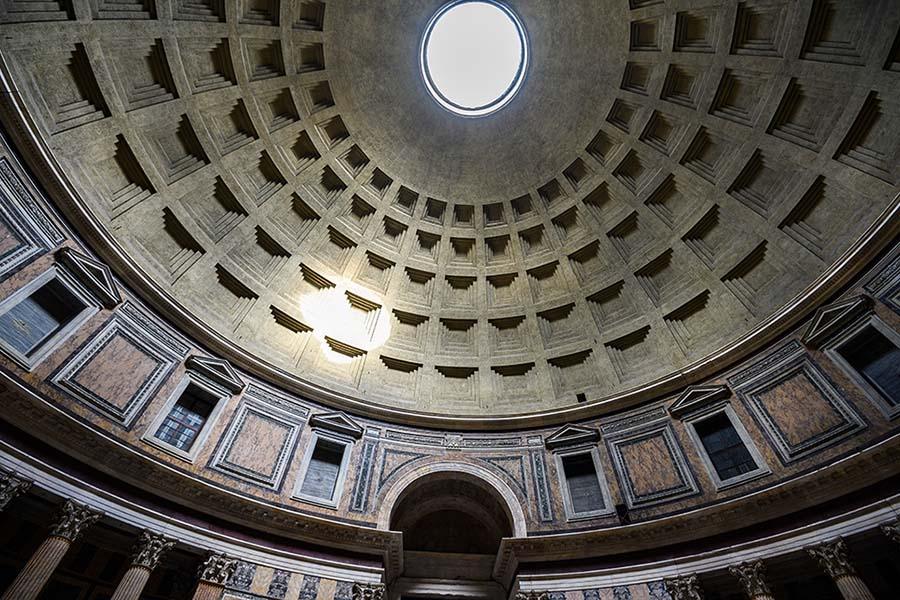
The Pantheon Dome: A Marvel of Ancient Roman Architecture

The Pantheon dome stands as a towering testament to the genius of Ancient Roman architecture. Located in the heart of Rome, the Pantheon itself is one of the best-preserved buildings from antiquity, but it’s the colossal dome that truly captivates visitors and scholars alike. It remains the largest unreinforced concrete dome in the world, a staggering achievement for an structure completed around 126 AD during the reign of Emperor Hadrian.

Overview of the Pantheon Dome

The dome of the Pantheon in Rome is a perfect hemisphere, designed to mirror the vault of the heavens. Its diameter is a remarkable $43.3$ meters ($142$ feet), which is exactly equal to the interior height of the rotunda from the floor to the oculus. This geometric precision creates a visually stunning and harmonious interior space. The dome’s weight is a massive $4,500$ metric tons, yet it has stood firm for nearly two millennia.

The Architectural Design of the Pantheon Ceiling

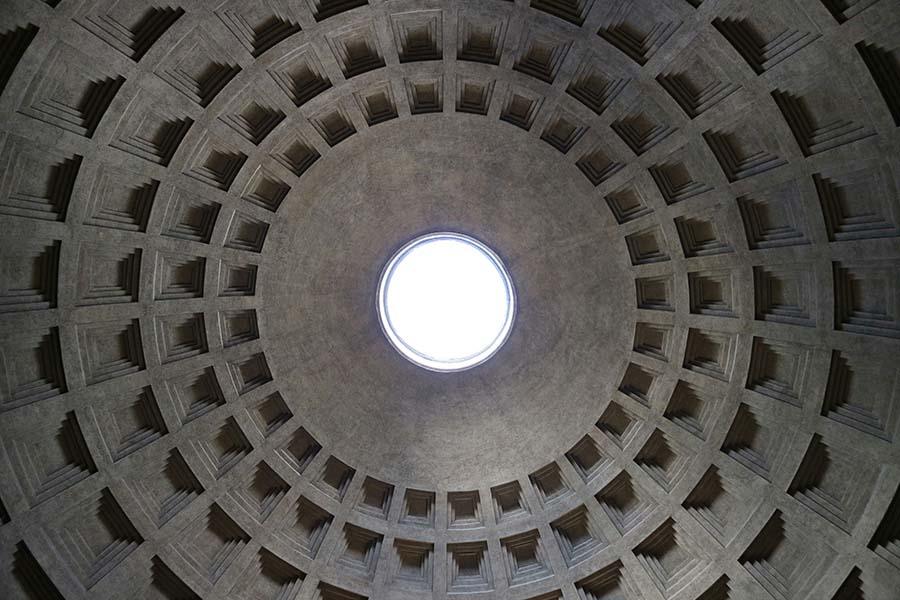
The most distinctive feature of the pantheon ceiling is the oculus—a circular opening at the very top. Measuring $8.2$ meters ($27$ feet) in diameter, the oculus serves as the only source of natural light, essentially functioning as a giant skylight. It was deliberately left open to the sky, allowing rain to fall into the building, which is then drained by a system of $22$ holes in the floor.

Below the oculus, the interior surface of the dome is adorned with five rings of $28$ deeply recessed panels, known as coffers. These coffers served a dual purpose: they dramatically reduced the overall weight of the structure while also providing an aesthetic, patterned effect that draws the eye upward to the oculus.

How the Dome of the Pantheon was Constructed

The secret to the dome’s longevity lies in the sophisticated use of Roman concrete (opus caementicium). Roman engineers cleverly varied the concrete mix as they built upward. They used heavier, denser aggregates (like travertine) at the base and progressively lighter materials (like porous volcanic scoria and tufa) toward the top near the oculus.

Furthermore, the dome’s thickness was significantly tapered—it is a robust $5.9$ meters ($19$ feet) thick at the base but thins out to just $1.5$ meters ($4.9$ feet) around the oculus. This strategic use of lightweight materials and graduated thickness was crucial in managing the downward and outward thrust, ensuring the stability of the immense pantheon dome.

Innovations in Roman Engineering: The Pantheon Dome

The engineering behind the Pantheon dome represents a pinnacle of Roman ingenuity. They utilized a massive, complex wooden framework to support the dome during construction, a feat of temporary scaffolding that was nearly as impressive as the final structure. The construction also showcases an early understanding of arch and vault principles, as the weight is channeled down through $8$ massive piers hidden within the walls of the rotunda.

Light and Space: The Role of the Dome in the Pantheon

The dome and its oculus fundamentally define the interior experience of the Pantheon. As the sun moves across the sky, the beam of light entering through the oculus acts like a giant spotlight, sweeping across the coffered ceiling and walls. This dramatic, ever-shifting quality of light creates a dynamic, spiritual atmosphere. The architect’s goal was to connect the human space with the divine heavens, an effect achieved entirely through light, scale, and perfect geometry.

The dome of the Pantheon remains an indispensable reference point in the history of architecture, influencing Renaissance masters like Brunelleschi (for the Florence Cathedral dome) and Michelangelo (for St. Peter’s Basilica) and continuing to inspire modern designers.

The Oculus of the Pantheon: Architectural Marvel of Ancient Rome

The Pantheon in Rome stands as one of the best-preserved and most influential buildings of ancient times. While its massive dome is a marvel in itself, it is the circular opening at its apex — the Oculus — that captures the imagination and serves as the structure’s architectural crown jewel.

What is the Oculus of the Pantheon?

The Oculus (meaning “eye” in Latin) is a perfectly circular, unglazed opening at the very center of the dome’s coffered ceiling. It is the single source of natural light for the entire building. With a diameter of 8.2 meters ($27$ feet), it is a bold, almost audacious design element that dominates the interior. The oculus in the pantheon is not merely a hole; it is a meticulously engineered component that defines the experience of visiting this iconic Roman temple.

The History and Design of the Oculus

The current structure of the Pantheon was built around 126 AD by the Emperor Hadrian, replacing an earlier temple. The dome, a feat of Roman engineering, was the largest unreinforced concrete dome in the world for over a millennium. The pantheon oculus was an integral part of this design from the beginning. Its huge dimensions were likely chosen to perfectly complement the geometry of the dome itself, which is a perfect sphere resting on a cylinder. The opening’s edge is framed by a bronze cornice, which serves both as decoration and as a protective measure against rain erosion.

Purpose of the Oculus in the Pantheon

The oculus purpose is multi-faceted, serving practical, structural, and spiritual functions.

  1. Structural Relief: By removing the heavy mass of material at the dome’s keystone, the oculus significantly reduces the dome’s overall weight, relieving internal stresses and helping prevent collapse.
  2. Ventilation: It provides natural airflow, helping to vent the building.
  3. Symbolic Connection: Most importantly, it creates a direct, unmediated connection between the interior and the heavens, symbolizing the connection between the gods and the Roman people.

How the Oculus Influences Light and Atmosphere Inside the Pantheon

The oculus of the Pantheon has a profound impact on the atmosphere within. As the sun moves across the sky, a dramatic, ever-changing column or shaft of light sweeps across the interior walls and floor. This dynamic light serves as a kind of ancient sundial, marking the passage of time and creating an ethereal, almost spiritual ambiance. When it rains, the water falls directly onto the marble floor and drains away through hidden holes, a phenomenon that underscores the oculus of pantheon’s deliberate exposure to the elements.

The Architectural Significance of the Oculus

The design of the oculus is a testament to the sophistication of Roman architectural engineering. It is the sole component that allows the massive dome to feel light and airy, defying the heaviness of its concrete construction. The precision required to maintain the structural integrity of the dome while creating such a large, unsupported aperture is a major reason why the oculus is considered an architectural masterpiece.

Legends and Myths Surrounding the Oculus of the Pantheon

The most famous—and false—legend claims that the rain never enters the building. This myth stems from the powerful thermal draft created by the difference in temperature between the inside and outside, which can sometimes atomize the raindrops into a fine mist. Another tale suggests that the original use of the building as a temple for all the gods meant the opening was necessary to allow smoke from sacrifices to escape.

The oculus of the Pantheon remains a stunning example of genius and beauty, a window to the sky that has inspired awe for nearly two millennia.

Obelisks of Rome: how many there are and where to find them

The city of Rome is a living museum, a continuous stratification of history and culture. Among its most striking monuments are the towering obelisks, slender needles of stone that pierce the sky. But how many are there, and what is their history?

Rome has the distinction of having more Egyptian and ancient obelisks than any other city in the world. There are 13 major ancient obelisks that stand in the city’s squares, a testament to the city’s imperial reach and subsequent fascination with ancient Egypt.

The Egyptian Obelisks in Rome: History and Origins of These Monuments

The story of the egyptian obelisks in rome is a fascinating journey through time. Originally quarried and carved in Egypt centuries before Christ, most were brought to Rome by various emperors after the Roman conquest of Egypt in 30 BC. These monuments were transported across the Mediterranean and erected in places of importance, like the Circus Maximus, to symbolize Rome’s power and its connection to a sophisticated ancient culture.

After the fall of the Roman Empire, many of the obelisks toppled or lay buried and forgotten for centuries. It wasn’t until the Renaissance, and particularly the reign of Pope Sixtus V in the late 16th century, that a massive project was undertaken to rediscover, restore, and re-erect these ancient relics, often in front of major churches or in the center of newly designed squares.

Curiosities About Rome’s Obelisks: Myths, Relocations, and Restorations

The process of re-erecting these colossal monuments was an engineering feat in itself. The massive undertaking of moving the obelisk now standing in St. Peter’s Square (the Vatican Obelisk) from its original position next to the old basilica to its current spot in 1586 is one of the most famous tales. Legend says that during the strenuous operation, when the ropes holding the stone began to fray, a sailor famously broke the mandated silence and shouted, “Water on the ropes!” The advice saved the day, and the obelisk was successfully raised.

Almost all the obelisks were originally dedicated to Egyptian gods, but upon their relocation in Rome, they were “Christianized” with crosses or papal symbols at their apex, integrating them into the city’s new religious landscape.

Piazza della Rotonda Obelisk and Macuteo Obelisk: Two Gems in the Heart of Rome

While 13 major obelisks dot the city, a couple of smaller, yet equally important, ones can be found near the Pantheon. The famous Obelisco della Rotonda (also known as the Piazza della Rotonda Obelisk) stands proudly atop the fountain in front of the Pantheon. Dating from the reign of Ramesses II, it was originally used in the nearby Temple of Isis and was placed here in 1711.

Not far away, in Piazza di San Macuto, stands the Obelisco Macuteo (the Macuteo Obelisk). Like its neighbor, it was part of the Iseum (a temple dedicated to the goddess Isis), a testament to the powerful Egyptian cult that flourished in Rome. It was later moved to the Piazza di Montecitorio.

Where to Find Rome’s Obelisks: A Map of the Most Important Ones

For anyone looking to complete a full tour of the obelisks in Rome, here are some of the most prominent ones and their locations:

  • Lateran Obelisk: Piazza di San Giovanni in Laterano (The largest standing ancient Egyptian obelisk in the world).
  • Flaminian Obelisk: Piazza del Popolo (One of the two obelisk rome brought by Augustus).
  • Solare Obelisk (or Obelisk of Montecitorio): Piazza di Montecitorio.
  • Vatican Obelisk: Piazza San Pietro (The only major obelisk not to have hieroglyphs, it stood in the Circus of Caligula and Nero).
  • Agonalis Obelisk: Piazza Navona (Topped by the dove of Pope Innocent X, standing on Bernini’s Fountain of Four Rivers).
  • Minerveo Obelisk: Piazza della Minerva (The smallest of the Egyptian ones, famously placed atop a marble elephant designed by Bernini).

These ancient monuments continue to tell a powerful story of empires, religion, and enduring artistic ambition.

Trevi Fountain in Rome: history, secrets, and tips for your visit

The Trevi Fountain in Rome (Fontana di Trevi) isn’t just a magnificent work of art; it’s an enduring symbol of the city’s history, a masterpiece of Baroque architecture, and a focal point for millions of visitors each year. Its grandeur, history, and unique traditions make it an unmissable stop on any Roman itinerary.

History of the Trevi fountain: when it was built and what it symbolizes

The history of the Trevi Fountain is deeply rooted in ancient Rome. It marks the terminal point of the Aqua Virgo (Acqua Vergine), one of the city’s oldest and most well-preserved aqueducts, completed in 19 BC. Legend holds that a young Roman girl (a “virgo”) led thirsty Roman soldiers to the source of the pristine water that still feeds the fountain today.

The current spectacular fountain, however, was commissioned in the 17th century. The final design, chosen after a competition, was by Nicola Salvi. Construction began in 1732 and, due to delays, was completed by Giuseppe Pannini in 1762, after Salvi’s death. This answers the question: when was the Trevi Fountain built? It took 30 years to create the masterpiece we see today!

The fountain’s central theme is the taming of the waters. The design is a blend of natural elements and classical mythology, with a triumphant chariot of the ocean god, Oceanus, emerging from the central arch.

The statues of the Trevi fountain: what do they represent?

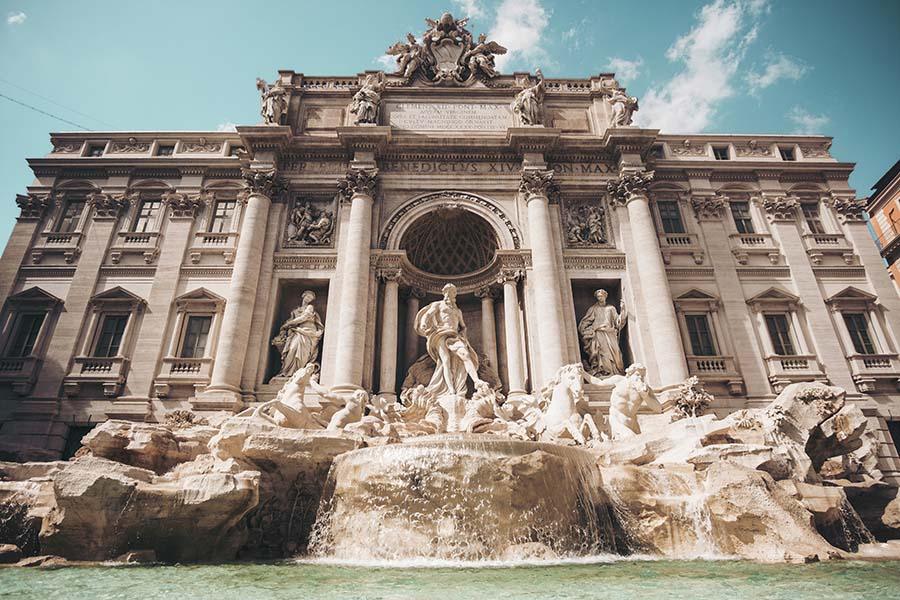
The monumental fountain’s composition is a theatrical spectacle of stone. At its heart, beneath a magnificent triumphal arch, stands Oceanus (often mistaken for Neptune), the powerful god of the sea, riding a shell-shaped chariot pulled by two horses, the Tritons.

The two horses symbolize the different states of the sea: one is restless, representing rough waters, while the other is calm, symbolizing tranquility.

Flanking Oceanus are allegorical statues in the niches:

  • On the left is the statue of Abundance (or Plenty), holding a tilted urn.
  • On the right is the statue of Salubrity (or Health), crowned with a wreath of laurel.

Above the niches are relief panels depicting the history of the Aqua Virgo aqueduct, including the young girl leading the soldiers to the water source.


Where is the Trevi fountain located?

The Trevi Fountain is in the Trevi district (Rione Trevi), nestled amongst the charming, narrow streets of central Rome. It’s famous for taking up the entire width of the Piazza di Trevi, giving it a dramatic, imposing presence.

It is easily reachable from other major landmarks:

  • The Pantheon is about a 10-minute walk away.
  • The Spanish Steps are about a 10-minute walk away.

If you are arriving via public transport, the fountain is about a 20-minute walk from the main transport hub: Roma Termini to Trevi Fountain. Alternatively, the closest Metro stop is Barberini (Line A), which is about a 5 to 10-minute walk.


Interesting facts about the Trevi Fountain you probably didn’t know

The fountain is probably most famous worldwide for the tradition of coin throwing. Legend dictates that if you throw a coin into the fountain over your shoulder (with your back to the water):

  • One coin ensures your return to Rome.
  • Two coins mean you will fall in love with a Roman.
  • Three coins guarantee a wedding or divorce!

A staggering amount of money is thrown into the fountain—roughly €3,000 every single day. The city of Rome collects these funds (the coin throwing practice is legal) and dedicates the money to a Catholic charity, Caritas, to help finance supermarkets and social programs for the city’s poor.

Another secret: The large vase on the right side, known as the “Ace of Cups” (Asso di Coppe), was allegedly placed there by Salvi to obscure the view of a troublesome local barber who was constantly criticizing the construction.

To get the best experience, visit the fountain very early in the morning (before 8 AM) or late at night when the crowds thin out and the magnificent lighting highlights the marble and water for a truly magical view.

The 10 Best Churches to Visit in Rome

Rome is a city steeped in history, art, and spirituality, and its churches are among its most magnificent treasures. From towering basilicas to intimate chapels, these sacred sites offer a breathtaking journey through centuries of religious devotion and artistic innovation.

The Churches of Rome and the Hidden Treasures of the Renaissance

While many think of the Renaissance’s grandeur being limited to palaces, the period profoundly shaped the architecture and artwork within Rome’s churches. These religious structures house an incredible concentration of masterpieces by the era’s leading artists.

  1. St. Peter’s Basilica: The undisputed heart of the Catholic Church, this awe-inspiring basilica in Vatican City is a Renaissance and Baroque masterpiece. Don’t miss Michelangelo’s Pietà and the immense dome, also designed by the master.
  2. Basilica of St. John Lateran: The official cathedral of Rome and the seat of the Bishop of Rome (the Pope). Its imposing façade and rich interior demonstrate the enduring power and wealth of the Church.
  3. Basilica of St. Mary Major: One of the four Papal Basilicas, it boasts a stunning mix of architectural styles, including beautiful 5th-century mosaics and a lavish Renaissance ceiling.
  4. Basilica of Santa Maria in Aracoeli: Perched atop the Capitoline Hill, this church is famous for its commanding views and the beautiful wooden ceiling, a testament to a victory over the Turks.

The Private Palaces of Rome: Lesser-Known Renaissance Works

While not strictly palaces, many of Rome’s smaller, historic churches feel like private collections, hosting works of art that are less crowded than those in the Vatican Museums.

  1. St Maria in Trastevere: Located in the picturesque Trastevere neighborhood, this is one of the oldest churches in Rome dedicated to the Virgin Mary. Its golden mosaics glitter beautifully, especially at dusk.
  2. Basilica of San Clemente: This incredible site offers a literal descent through history. The current church sits atop a 4th-century basilica, which itself sits atop a 2nd-century Roman building and a temple of Mithras.
  3. St Paul Outside the Walls: Another of the four Papal Basilicas, it features a colossal, serene interior and beautiful mosaics. After a fire in 1823, it was meticulously restored to its former glory.

Secret Masterpieces of Roman Renaissance: Frescoes, Sculptures, and Details to Discover

The most rewarding experiences in Rome often come from seeking out the details—the hidden frescoes and sculptures that tell stories beyond the main altars. Many of these sites are the best free churches to visit.

  1. The Pantheon (Santa Maria ad Martyres): Originally a Roman temple, it was converted into a church in the 7th century. Its perfect dome and oculus are architectural marvels, making it one of the most iconic top churches in Rome.
  2. Santa Maria in Cosmedin Church: Best known as the location of the Bocca della Verità (Mouth of Truth) in its portico, the church itself is a beautiful example of medieval Roman architecture.
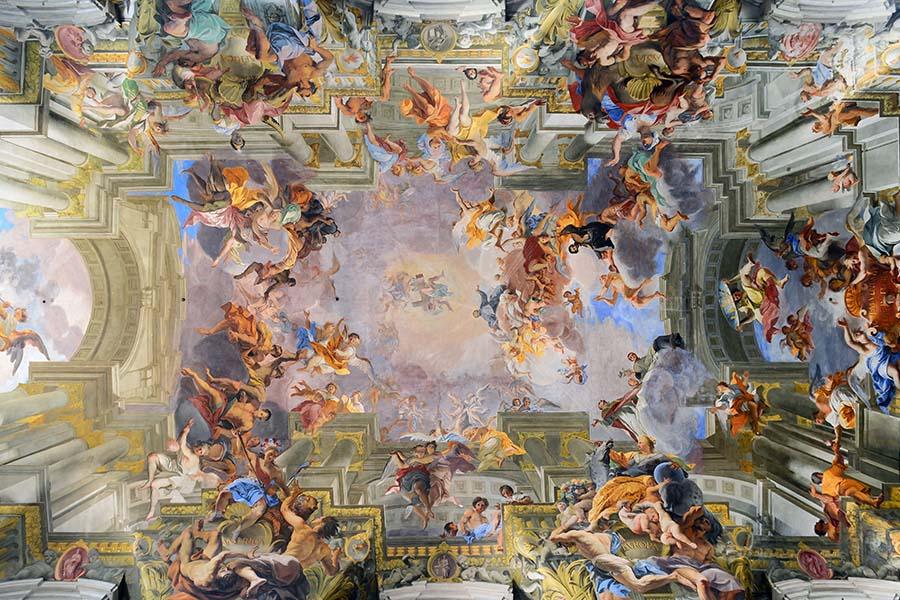
  3. Gesù Church (Chiesa del Santissimo Nome di Gesù): The mother church of the Society of Jesus (Jesuits) and one of the finest examples of the Baroque style in Rome, featuring a breathtaking ceiling fresco that seems to dissolve the architectural boundary with heaven.

To truly explore the spiritual and architectural wonders of the Eternal City, visiting these churches is an absolute must.

The best night attractions in Rome: what to see and do after sunset

Rome is undeniably one of the most beautiful cities in the world, and its ancient majesty only deepens after the sun goes down. Exploring the Eternal City after dark transforms the experience, as iconic landmarks are bathed in dramatic light and hidden corners come alive with a unique, vibrant energy. If you’re looking for what to do in Rome at night, you’re in for a treat. From historical night tours to lively local hangouts, here is your guide to the top night attractions in Rome.

The Charm of the Colosseum at Night: History and Magic Under the Stars

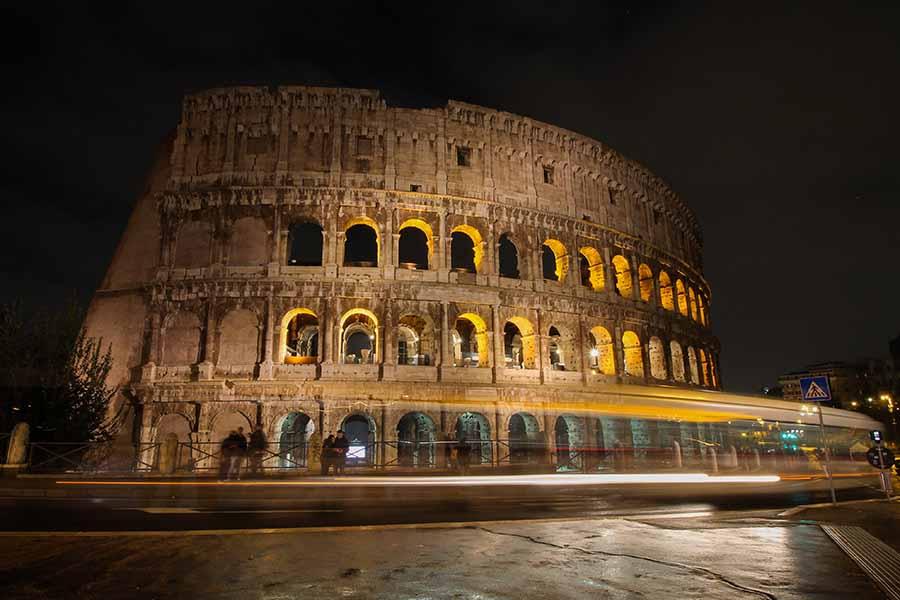
Few sights are as breathtaking as the Colosseum at night. The powerful structure, illuminated against the dark sky, takes on a truly mystical aura. A visit here is a top pick for what to see in Rome at night.

While you can simply admire it from the outside, the best way to experience it is by booking one of the specialized night tours offers. The “Luna sul Colosseo” tour often allows you to explore the arena floor and sometimes even the underground tunnels (ipogei) after normal closing hours. Seeing where gladiators prepared for battle and where wild animals were kept, with only the moonlight and dramatic spotlights to guide you, is an unforgettable experience and one of the most popular things to do in Rome at night.


Trastevere by Night: Between Venues, Tradition, and Unique Atmospheres

For an authentic Roman nightlife experience, head across the Tiber River to Trastevere. This neighborhood is the beating heart of Rome’s evening social scene, known for its cobbled streets, ivy-covered buildings, and lively squares. It’s where Romans and tourists mingle for aperitivos, dinner, and late-night drinks.

It’s an ideal place for a casual evening stroll, discovering hidden trattorias and charming pubs. Piazza di Santa Maria in Trastevere is the central focus, where street performers entertain crowds and the beautiful church facade glows brightly. The area’s energy and traditional atmosphere make it a must-visit among the night attractions in Rome.


Pantheon and Piazza Navona: Rome at Night Amidst Art and Lights

The area around the Pantheon offers a stunning display of Roman artistic heritage under the cover of darkness. The Pantheon at night is sublime; the ancient temple’s massive bronze doors and oculus-capped dome are dramatically highlighted. The surrounding square, Piazza della Rotonda, is always buzzing with people enjoying the view and the street music.

Just a short walk away is Piazza Navona, perhaps one of the most beautiful squares in the world. Its magnificent fountains, including Bernini’s Fountain of Four Rivers, are exquisitely lit. The lively atmosphere and surrounding Baroque architecture make this a perfect spot for an evening gelato and a classic Roman evening walk.

Breathtaking Views: Where to Admire Rome from Above at Night

To truly grasp the scale and beauty of the illuminated city, find a viewpoint.

  • The Gianicolo (Janiculum Hill): This is arguably the best panoramic viewpoint. From here, you can see a sweeping vista of the entire city, with all the major monuments sparkling. It’s romantic and offers fantastic photo opportunities.
  • The Pincio Terrace: Located at the edge of the Borghese Gardens, the terrace overlooks Piazza del Popolo and offers a spectacular view of the historic center, making it a beautiful stop on your itinerary of what to see in Rome at night.

More Nighttime Wonders

Beyond the main attractions, consider these unique experiences:

  • Vatican at Night: During specific seasons, the Vatican Museums and the Sistine Chapel offer special Friday evening openings. Seeing the masterpieces, including Michelangelo’s ceiling, with fewer crowds is a truly special and serene experience.
  • Catacombs at Night: While less common, some private companies offer specialized nighttime tours of Rome’s ancient underground burial tunnels and crypts, adding a genuinely eerie and historically deep dimension to your evening.

Whether you seek history, romance, or simply a delicious plate of pasta, Rome after sunset offers an enchanting adventure.

What to see in Rome: top attractions and itineraries

Top things to see in Rome: must-visit landmarks

Planning a trip to the Eternal City and wondering what sights to see in Rome? You’re in for a treat! Rome is a living museum, packed with top things to see that are essential for any first-time visitor.

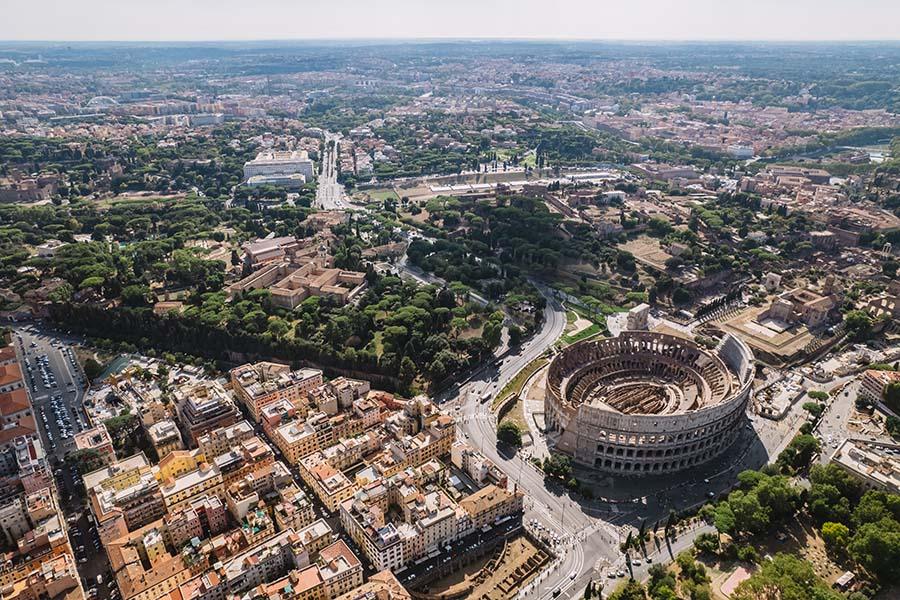
The undisputed masterpiece is the Colosseum, the monumental amphitheater that once hosted gladiatorial contests. Don’t forget the adjacent Roman Forum and Palatine Hill, where the city was founded. Together, these sites form the heart of ancient Rome.

A close second is Vatican City, an independent state within Rome. Here, you must visit St. Peter’s Basilica and the Vatican Museums, home to Michelangelo’s breathtaking Sistine Chapel.

Other essential top sites in Rome include the magnificent Trevi Fountain, where throwing a coin ensures your return, and the Pantheon, a remarkably preserved ancient Roman temple now a church. Finally, stroll through Piazza Navona, famous for Bernini’s Fountain of Four Rivers. These are the best things to see in Rome and a great starting point for any trip.

Unique and unusual things to see in Rome

While the major attractions are essential, if you have more time, consider exploring some unique things to do. These offer a different perspective on the city’s rich history.

For an unusual thing to see, explore the Capuchin Crypt, where the bones of 4,000 monks are arranged in elaborate, macabre designs.

Another hidden gem is the Keyhole of the Knights of Malta (Aventine Keyhole). Peering through it offers a perfectly framed view of St. Peter’s Dome.

Finally, dive beneath the modern streets to find the Baths of Caracalla or the multi-layered underground churches like the Basilica di San Clemente, providing a fascinating look at the city’s archaeological layers.

One day in Rome: the perfect itinerary

If you only have one day, you need a plan to maximize your time and hit the most crucial landmarks. Here is a concentrated 1 day itinerary:

  1. Morning (9:00 AM – 1:00 PM): Start early at the Colosseum, Roman Forum, and Palatine Hill. Book tickets in advance!
  2. Lunch (1:00 PM – 2:00 PM): Grab a quick, authentic pizza al taglio (pizza by the slice).
  3. Afternoon (2:00 PM – 6:00 PM): Head to the city center. Visit the Pantheon and throw a coin in the Trevi Fountain.
  4. Evening: Conclude your 1 day tour with dinner in the charming Trastevere neighborhood.

This plan covers the core best things to see in Rome efficiently.

Three days in Rome: what to see and do

Spending 3 days in rome allows for a deeper exploration, balancing ancient sites with Renaissance art and local flavor. Here is a suggested itinerary:

Day 1: Ancient Rome & City Center

  • Morning: Colosseum, Roman Forum, and Palatine Hill.
  • Afternoon: Visit the Pantheon, Trevi Fountain, and Piazza Navona.
  • Evening: Dinner in Trastevere.

Day 2: Vatican City & Art

  • Morning: Dedicate a full morning to the Vatican Museums and the Sistine Chapel.
  • Afternoon: Explore St. Peter’s Basilica.
  • Evening: Walk up to the Pincian Hill viewpoint in Borghese Gardens for a stunning sunset view over the city.

Day 3: Hidden Gems & Neighborhoods

  • Morning: Visit the Borghese Gallery and Museum (book tickets months in advance!).
  • Afternoon: Discover some unique things like the Capuchin Crypt or the Aventine Keyhole.
  • Evening: Enjoy a final Roman meal near the Spanish Steps or in the bohemian Monti district.

This 3 days plan ensures you see all the essential sights while giving you time to soak up the atmosphere.

Rome travel tips: how to make the most of your visit

To truly enjoy your trip and the top sites in Rome, keep these tips in mind:

  • Book Everything in Advance: For the Colosseum, Vatican Museums, and Borghese Gallery, pre-booking is essential to skip lines and guarantee entry.
  • Wear Comfortable Shoes: You’ll be doing a lot of walking! Rome is best explored on foot.
  • Use Public Transport: The metro and buses are efficient for moving between major sites.
  • Stay Hydrated: Use the many public drinking fountains, known as nasoni (big noses).

Now you know the best things to see in Rome and have a great plan for your time there. Enjoy the Eternal City!

Top Free Sites and Attractions in Rome: What to See Without Spending a Dime

Rome, the Eternal City, is famous for its history, art, and vibrant culture. While some of its most renowned attractions come with a hefty price tag, exploring Rome doesn’t have to empty your wallet. You can enjoy the city’s beauty, history, and atmosphere without spending a dime.

This guide showcases the best free sites in the Italian capital, from iconic landmarks to hidden architectural gems and breathtaking viewpoints. Discover the top free things to do in Rome and make your trip unforgettable!

Free Museums in Rome: The Best Collections to Visit for Free

While many major museums charge an entry fee, there are excellent ways to enjoy free museums in Rome.

  • The Pantheon: Although originally a temple, the Pantheon now functions as a church (Santa Maria ad Martyres) and is one of the most magnificent examples of ancient Roman architecture. Entry is free, allowing you to gaze up at its oculus and admire the seamless blend of history and engineering.
  • Basilicas and Churches: Beyond the Pantheon, Rome is dotted with thousands of stunning churches, including the four Papal Basilicas (St. Peter’s Basilica—which is free to enter, though the Dome climb is not—St. John Lateran, St. Mary Major, and St. Paul Outside the Walls). These serve as spectacular, free-entry museums, housing masterpieces by artists like Caravaggio and Bernini.

Panoramic Walks: Where to See Rome from Above

To truly see Rome from above, you don’t need to pay for a rooftop bar or a costly dome climb.

  • Gianicolo Hill Viewpoint: For one of the most spectacular, panoramic views of the city, head to the Gianicolo Hill viewpoint. It’s easily one of the best free places in Rome to catch a stunning sunset or the cannon fire at noon.
  • Pincian Hill (Pincio): Located above Piazza del Popolo, the Pincian Terrace offers another fantastic vista, looking over the square and across the city skyline, perfect for a peaceful stroll.

Trastevere and the Coppedè District: Two Gems to Discover at No Cost

Some of the best free activities in Rome involve simply wandering through its unique neighborhoods.

  • Trastevere: This charming district is a must-see. With its cobbled streets, ivy-covered buildings, and lively atmosphere, exploring Trastevere is an utterly free, authentic Roman experience. You can admire its architecture and soak up the local life.
  • Coppedè Quarter: A true hidden gem, the Coppedè Quarter is a small, unique area with an elaborate, fairy-tale style of architecture. Walking through this district feels like stepping into a fantasy world, and it costs nothing to appreciate its artistry.

From the Pantheon to St. Peter’s: The Most Iconic Free Attractions in Rome

Many of the most famous Rome attractions free of charge, proving that the city’s highlights are accessible to everyone.

  • Trevi Fountain (Fontana di Trevi): Toss a coin (or don’t) and admire the sheer grandeur of the world’s most famous fountain.
  • Spanish Steps (Piazza di Spagna): Relax on the steps and take in the vibrant atmosphere of the Piazza.
  • Piazza Navona: This stunning Baroque square, featuring Bernini’s Fountain of Four Rivers, is a hub of street artists and beautiful architecture.
  • St. Peter’s Basilica: As mentioned, the main entry to the Basilica is free, allowing you to see masterpieces of Renaissance art and architecture.

Via Condotti: A Journey Through Luxury and Tradition

As a bonus to your list of what to see in Rome for free, take a leisurely walk down Via Condotti. While the high-end shops may be out of budget, window-shopping along this historic street offers a glimpse into Rome’s modern luxury juxtaposed against its traditional architecture. It’s a fantastic, free way to connect Piazza di Spagna with other central areas.

From ancient ruins to vibrant neighborhoods and inspiring viewpoints, the Eternal City offers countless free places to go. Pack your comfortable shoes and get ready to explore!

What to do in Rome when it rains: best indoor activities to enjoy

Don’t let a sudden downpour spoil your Roman holiday! While Rome is famous for its outdoor sights, a rainy day is the perfect excuse to explore the city’s incredible indoor treasures. From stunning churches and world-class museums to the fascinating history hidden beneath the streets, here are the best indoor activities in Rome when the weather turns wet.

The Pantheon and the mystery of the rain

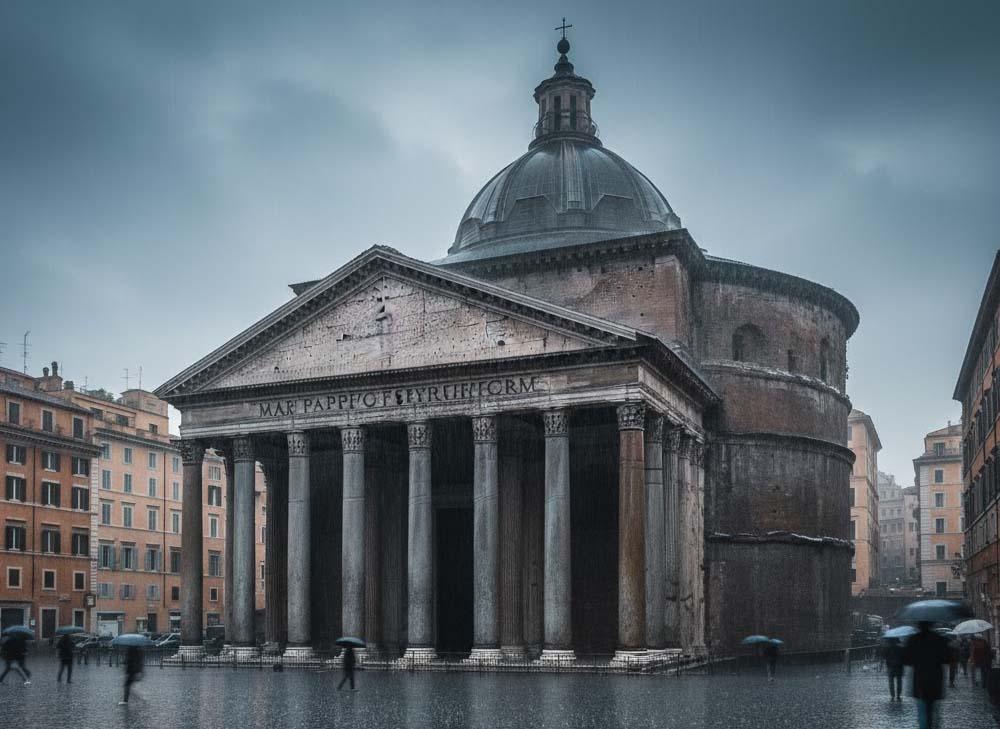
A rainy day is perhaps the best time to visit the Pantheon, one of Rome’s most awe-inspiring architectural marvels. It’s a spectacular sight any day, but on a rainy day, you can witness a unique phenomenon. The oculus, the large hole at the center of the dome, is open to the elements, and when it rains, the water falls directly into the interior.

Legend has it that the unique design, which features a slightly domed floor and a drainage system, prevents the floor from flooding. Watching the drizzle or a shower fall through the 9-meter wide opening is a mesmerizing experience and will forever change how you see this ancient temple-turned-church.

Explore Rome’s museums

If you’re wondering what to do in Rome on a rainy day, museums are your perfect escape. Rome is home to some of the world’s most impressive collections, offering hours of cultural immersion while keeping you dry.

  • Vatican Museums: Though often crowded, the sheer size and scope of the Vatican Museums and the Sistine Chapel make them a must-see. You can spend an entire day inside exploring masterpieces from every era.
  • Capitoline Museums (Musei Capitolini): Located on Capitoline Hill, these are considered the world’s oldest public museums. They house an extraordinary collection of classical sculptures and Roman artifacts, including the iconic bronze statue of the she-wolf nursing Romulus and Remus.
  • Borghese Gallery and Museum: Located within the beautiful Villa Borghese, this museum is famous for its stunning Bernini sculptures and Caravaggio paintings. Remember to book your ticket well in advance, as entry is strictly timed and limited.

Rome underground

Venture beneath the bustling streets to discover Rome underground, one of the most fascinating things to do when it rains. This network of subterranean spaces reveals layers of history, offering a unique glimpse into the city’s past.

  • Basilica di San Clemente: This incredible site is a historical lasagna. On the surface, you have a beautiful medieval basilica. Go down one level to find an older 4th-century church, and descend another to discover a 1st-century Roman house and a Mithraic temple.
  • The Catacombs: Escape the rain by taking a tour through the ancient Roman catacombs. These underground cemeteries, like those of Callixtus or Domitilla, offer a solemn and atmospheric journey through early Christian history.

Rome’s churches

Rome boasts hundreds of magnificent churches, many of which are works of art in themselves and offer an excellent refuge from the rain. They are completely free to enter and provide a peaceful, dry sanctuary.

  • St. Peter’s Basilica: While officially in Vatican City, it’s an essential church to visit in Rome. Its immense scale and breathtaking art, including Michelangelo’s Pietà, will easily occupy a few hours.
  • Santa Maria Maggiore: One of Rome’s four major papal basilicas, its stunning mosaics and gilded ceilings are a feast for the eyes.
  • Santa Maria della Vittoria: This unassuming church houses one of the great masterpieces of the Roman Baroque: Bernini’s Ecstasy of Saint Teresa.

With a little planning, a rainy day in Rome can turn into an unforgettable exploration of the city’s timeless indoor wonders.