EN

Top Free Sites and Attractions in Rome: What to See Without Spending a Dime

Rome, the Eternal City, is famous for its history, art, and vibrant culture. While some of its most renowned attractions come with a hefty price tag, exploring Rome doesn’t have to empty your wallet. You can enjoy the city’s beauty, history, and atmosphere without spending a dime.

This guide showcases the best free sites in the Italian capital, from iconic landmarks to hidden architectural gems and breathtaking viewpoints. Discover the top free things to do in Rome and make your trip unforgettable!

Free Museums in Rome: The Best Collections to Visit for Free

While many major museums charge an entry fee, there are excellent ways to enjoy free museums in Rome.

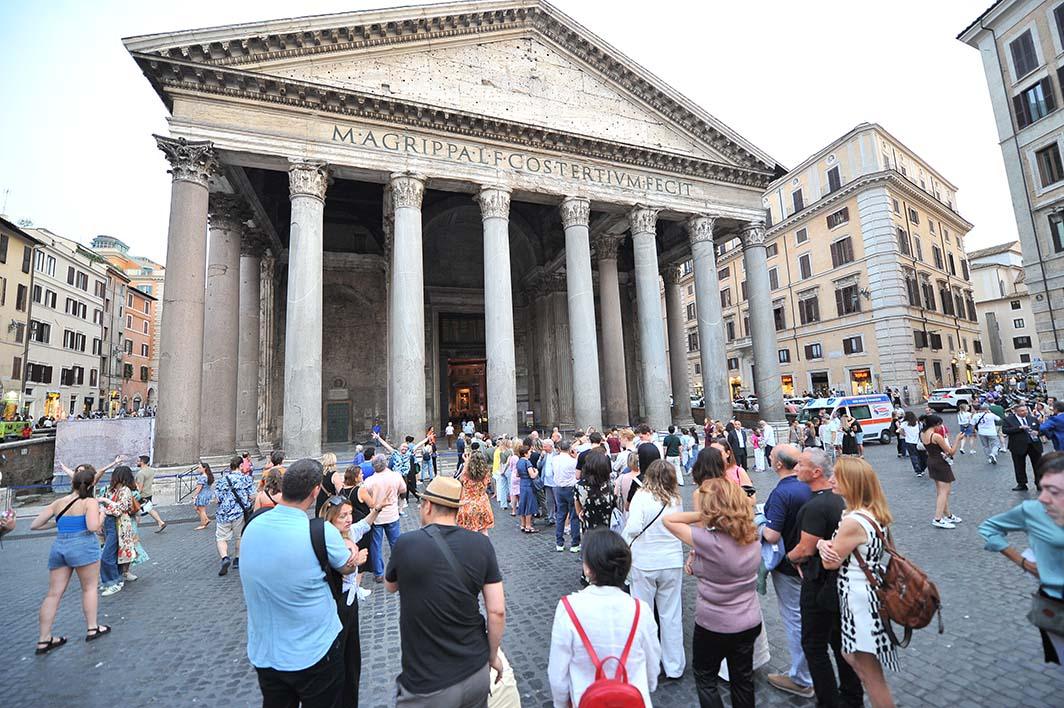
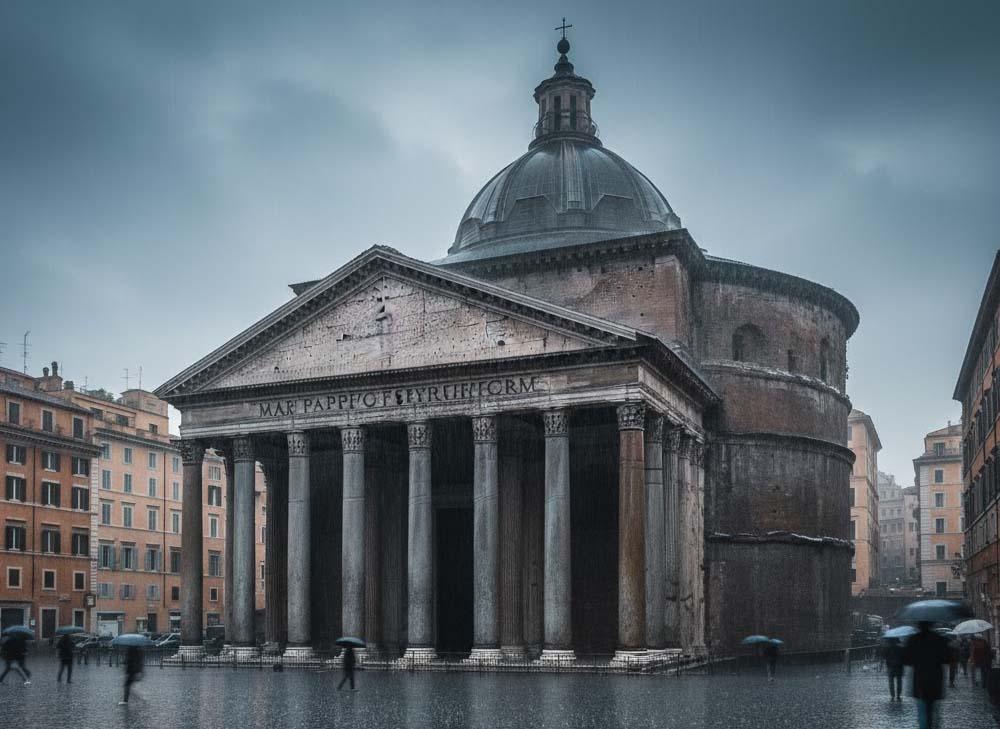
  • The Pantheon: Although originally a temple, the Pantheon now functions as a church (Santa Maria ad Martyres) and is one of the most magnificent examples of ancient Roman architecture. Entry is free, allowing you to gaze up at its oculus and admire the seamless blend of history and engineering.
  • Basilicas and Churches: Beyond the Pantheon, Rome is dotted with thousands of stunning churches, including the four Papal Basilicas (St. Peter’s Basilica—which is free to enter, though the Dome climb is not—St. John Lateran, St. Mary Major, and St. Paul Outside the Walls). These serve as spectacular, free-entry museums, housing masterpieces by artists like Caravaggio and Bernini.

Panoramic Walks: Where to See Rome from Above

To truly see Rome from above, you don’t need to pay for a rooftop bar or a costly dome climb.

  • Gianicolo Hill Viewpoint: For one of the most spectacular, panoramic views of the city, head to the Gianicolo Hill viewpoint. It’s easily one of the best free places in Rome to catch a stunning sunset or the cannon fire at noon.
  • Pincian Hill (Pincio): Located above Piazza del Popolo, the Pincian Terrace offers another fantastic vista, looking over the square and across the city skyline, perfect for a peaceful stroll.

Trastevere and the Coppedè District: Two Gems to Discover at No Cost

Some of the best free activities in Rome involve simply wandering through its unique neighborhoods.

  • Trastevere: This charming district is a must-see. With its cobbled streets, ivy-covered buildings, and lively atmosphere, exploring Trastevere is an utterly free, authentic Roman experience. You can admire its architecture and soak up the local life.
  • Coppedè Quarter: A true hidden gem, the Coppedè Quarter is a small, unique area with an elaborate, fairy-tale style of architecture. Walking through this district feels like stepping into a fantasy world, and it costs nothing to appreciate its artistry.

From the Pantheon to St. Peter’s: The Most Iconic Free Attractions in Rome

Many of the most famous Rome attractions free of charge, proving that the city’s highlights are accessible to everyone.

  • Trevi Fountain (Fontana di Trevi): Toss a coin (or don’t) and admire the sheer grandeur of the world’s most famous fountain.
  • Spanish Steps (Piazza di Spagna): Relax on the steps and take in the vibrant atmosphere of the Piazza.
  • Piazza Navona: This stunning Baroque square, featuring Bernini’s Fountain of Four Rivers, is a hub of street artists and beautiful architecture.
  • St. Peter’s Basilica: As mentioned, the main entry to the Basilica is free, allowing you to see masterpieces of Renaissance art and architecture.

Via Condotti: A Journey Through Luxury and Tradition

As a bonus to your list of what to see in Rome for free, take a leisurely walk down Via Condotti. While the high-end shops may be out of budget, window-shopping along this historic street offers a glimpse into Rome’s modern luxury juxtaposed against its traditional architecture. It’s a fantastic, free way to connect Piazza di Spagna with other central areas.

From ancient ruins to vibrant neighborhoods and inspiring viewpoints, the Eternal City offers countless free places to go. Pack your comfortable shoes and get ready to explore!
What to do in Rome when it rains: best indoor activities to enjoy

Don’t let a sudden downpour spoil your Roman holiday! While Rome is famous for its outdoor sights, a rainy day is the perfect excuse to explore the city’s incredible indoor treasures. From stunning churches and world-class museums to the fascinating history hidden beneath the streets, here are the best indoor activities in Rome when the weather turns wet.

The Pantheon and the mystery of the rain

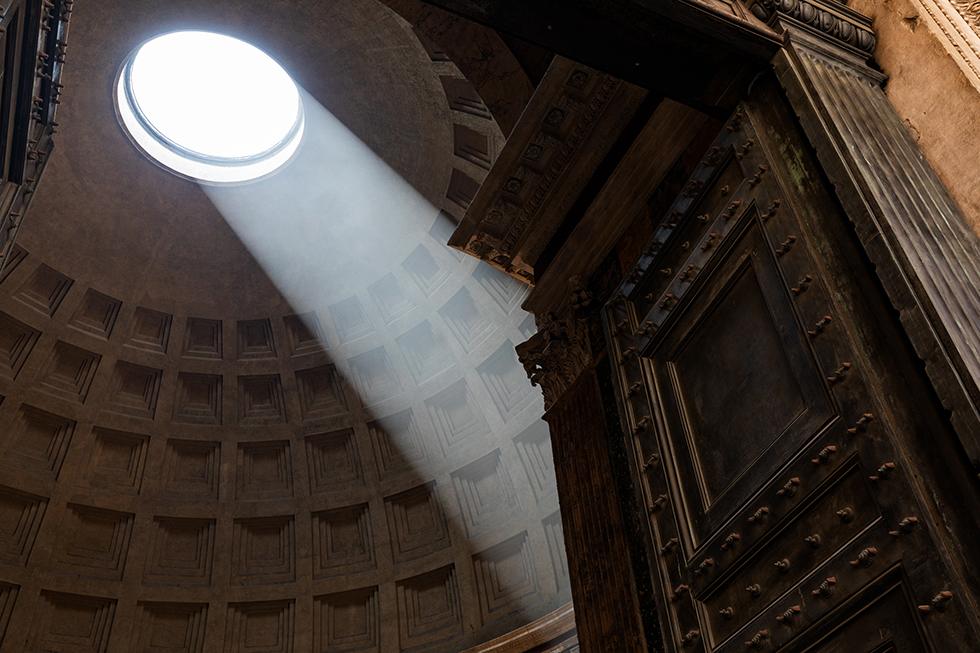
A rainy day is perhaps the best time to visit the Pantheon, one of Rome’s most awe-inspiring architectural marvels. It’s a spectacular sight any day, but on a rainy day, you can witness a unique phenomenon. The oculus, the large hole at the center of the dome, is open to the elements, and when it rains, the water falls directly into the interior.

Legend has it that the unique design, which features a slightly domed floor and a drainage system, prevents the floor from flooding. Watching the drizzle or a shower fall through the 9-meter wide opening is a mesmerizing experience and will forever change how you see this ancient temple-turned-church.

Explore Rome’s museums

If you’re wondering what to do in Rome on a rainy day, museums are your perfect escape. Rome is home to some of the world’s most impressive collections, offering hours of cultural immersion while keeping you dry.

  • Vatican Museums: Though often crowded, the sheer size and scope of the Vatican Museums and the Sistine Chapel make them a must-see. You can spend an entire day inside exploring masterpieces from every era.
  • Capitoline Museums (Musei Capitolini): Located on Capitoline Hill, these are considered the world’s oldest public museums. They house an extraordinary collection of classical sculptures and Roman artifacts, including the iconic bronze statue of the she-wolf nursing Romulus and Remus.
  • Borghese Gallery and Museum: Located within the beautiful Villa Borghese, this museum is famous for its stunning Bernini sculptures and Caravaggio paintings. Remember to book your ticket well in advance, as entry is strictly timed and limited.

Rome underground

Venture beneath the bustling streets to discover Rome underground, one of the most fascinating things to do when it rains. This network of subterranean spaces reveals layers of history, offering a unique glimpse into the city’s past.

  • Basilica di San Clemente: This incredible site is a historical lasagna. On the surface, you have a beautiful medieval basilica. Go down one level to find an older 4th-century church, and descend another to discover a 1st-century Roman house and a Mithraic temple.
  • The Catacombs: Escape the rain by taking a tour through the ancient Roman catacombs. These underground cemeteries, like those of Callixtus or Domitilla, offer a solemn and atmospheric journey through early Christian history.

Rome’s churches

Rome boasts hundreds of magnificent churches, many of which are works of art in themselves and offer an excellent refuge from the rain. They are completely free to enter and provide a peaceful, dry sanctuary.

  • St. Peter’s Basilica: While officially in Vatican City, it’s an essential church to visit in Rome. Its immense scale and breathtaking art, including Michelangelo’s Pietà, will easily occupy a few hours.
  • Santa Maria Maggiore: One of Rome’s four major papal basilicas, its stunning mosaics and gilded ceilings are a feast for the eyes.
  • Santa Maria della Vittoria: This unassuming church houses one of the great masterpieces of the Roman Baroque: Bernini’s Ecstasy of Saint Teresa.

With a little planning, a rainy day in Rome can turn into an unforgettable exploration of the city’s timeless indoor wonders.

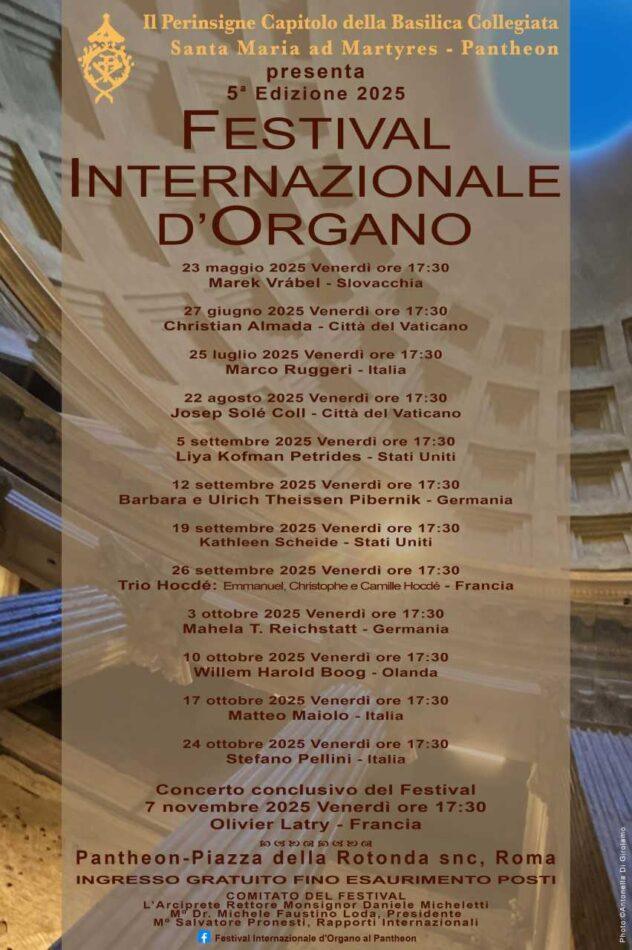
V International Organ Festival | concluding concert by Latry

V International Organ Festival

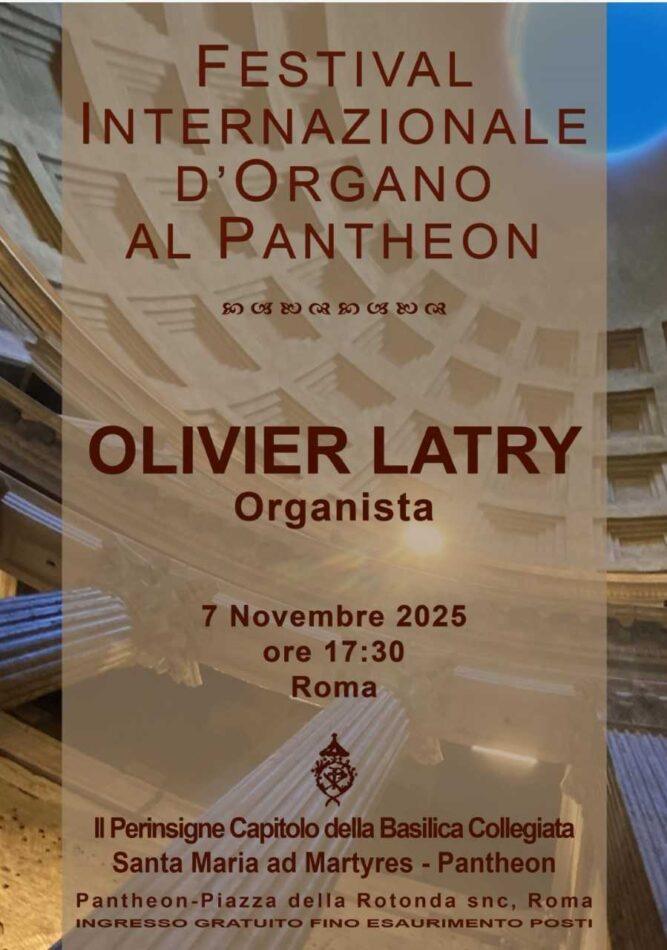
The INTERNATIONAL ORGAN FESTIVAL AT THE PANTHEON concludes with a performance by Organist Olivier Latry


PROGRAM

November 7, 2025 – 5:30 PM
Olivier Latry – France


FREE ADMISSION


V International Organ Festival / Music at the Pantheon

V International Organ Festival

From May 23 to November 7, the INTERNATIONAL ORGAN FESTIVAL AT THE PANTHEON returns: a high-quality event featuring internationally renowned organists each year, sometimes accompanied by musicians and singers. This year marks its 5th edition.

PROGRAM

May 23, 2025
5:30 PM Marek Vrábel – Slovakia

June 27, 2025
5:30 PM Christian Almada – Vatican City

July 25, 2025
5:30 PM Marco Ruggeri – Italy

August 22, 2025
5:30 PM Josep Solé Coll – Vatican City

September 5, 2025
5:30 PM Liya Kofman Petrides – United States

September 12, 2025
5:30 PM Barbara and Ulrich Theissen Pibernik – Germany

September 19, 2025
5:30 PM Kathleen Scheide – United States

September 26, 2025
5:30 PM Trio Hocdé: Emmanuel, Christophe, and Camille Hocdé – France

October 3, 2025
5:30 PM Mahela T. Reichstatt – Germany

October 10, 2025
5:30 PM Willem Harold Boog – Netherlands

October 17, 2025
5:30 PM Matteo Maiolo – Italy

October 24, 2025
5:30 PM Stefano Pellini – Italy

November 7, 2025
concluding concert – 5:30 PM Olivier Latry – France


FREE ENTRANCE

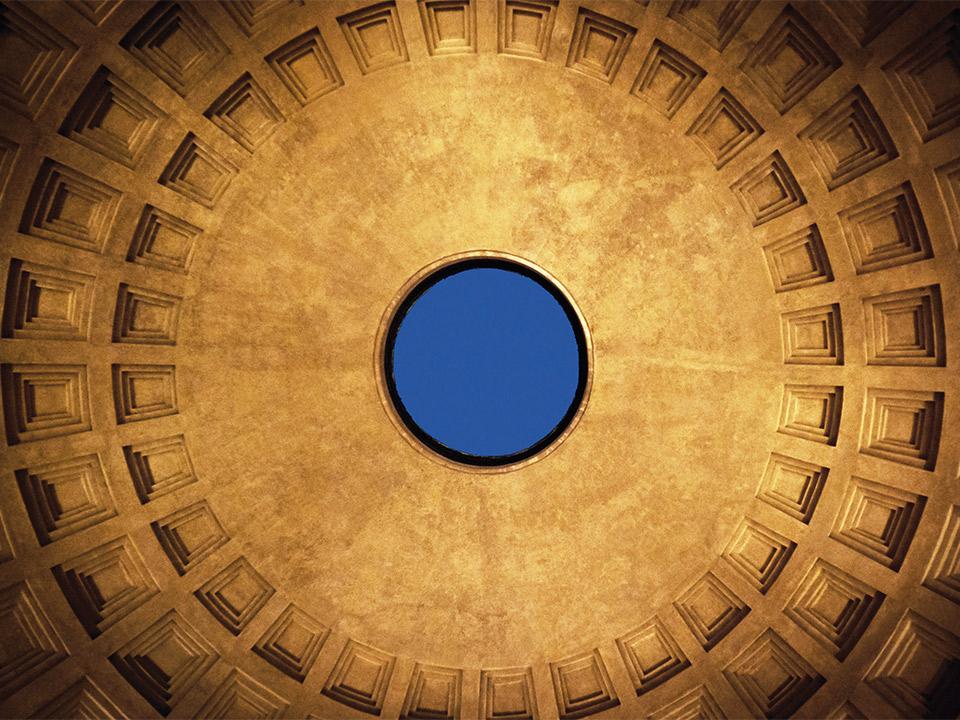
Oculus Pantheon Rome

The Oculus of the Pantheon: Architectural Marvel of Ancient Rome

What is the Oculus of the Pantheon?

As you step inside the Pantheon in Rome, your eyes are immediately drawn upward to a perfect circular opening: the oculus of the Pantheon. This central feature of the temple’s vast dome serves as a symbolic and architectural focal point. Nearly 2,000 years ago, the ancient Romans designed this open eye to the heavens—without glass or cover—as a sacred connection between the earthly and the divine.

The History and Design of the Oculus

The Pantheon oculus boasts an impressive diameter of 9 meters (about 30 feet). More than just an aesthetic choice, it was a brilliant structural solution. By opening the apex of the dome, the architects reduced the weight on the most critical point of the structure, preventing collapse and allowing the dome to stand through millennia.

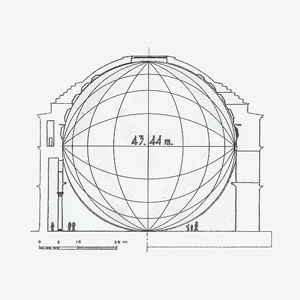
The entire dome of the Pantheon, with a diameter of 43.44 meters, forms a perfect hemisphere. Its height from the floor to the top of the oculus matches the dome’s width, creating a virtual sphere that symbolizes harmony between earth and sky.

sfera Pantheon
Diameter of 43.44 meters

Purpose of the Oculus in the Pantheon

The oculus in the Pantheon is more than an engineering marvel—it holds deep symbolic meaning. Often referred to as the zenithal oculus, it represents a cosmic eye connecting humans with the divine. Through it, sunlight streams into the temple, moving along the walls like a celestial sundial and marking the passage of time.One of the most symbolic moments occurs on April 21st, the legendary founding date of Rome. At noon, sunlight entering through the oculus perfectly illuminates the entrance, as if Rome itself is being eternally honored by the gods.

How the Oculus Influences Light and Atmosphere Inside the Pantheon

Inside the Pantheon, the oculus plays a key role in shaping the building’s atmosphere. The natural light changes throughout the day and across seasons, creating a mesmerizing play of brightness and shadow. During summer, when the sun is high, the interior is bathed in light, especially the center of the rotunda. In winter, the light becomes softer and more mystical.

This constant interplay between light and architecture not only highlights the temple’s structural beauty, but also evokes a spiritual experience—reminding visitors of the divine harmony between time, nature, and architecture.

The Architectural Significance of the Oculus

The oculus of the Pantheon is a defining element of Roman architectural ingenuity. It is not only a literal and metaphorical eye to the heavens, but also a timeless symbol of innovation and spiritual reflection. Even today, the oculus remains the heart of the structure—bridging past and present, sky and earth, mortal and divine.

Legends and Myths Surrounding the Oculus of the Pantheon

Legends have always surrounded the Pantheon Rome oculus. One of the most enduring myths suggests that the oculus was left open to allow the seven pagan demons to flee when the temple was consecrated as a Christian church.

Another modern ritual ties back to the ancient symbolism: during the feast of Pentecost, red rose petals are released through the oculus, symbolizing the descent of the Holy Spirit and continuing the Pantheon’s legacy as a sacred space open to the heavens.

IV International Organ Festival / Music at the Pantheon

IV International Organ Festival

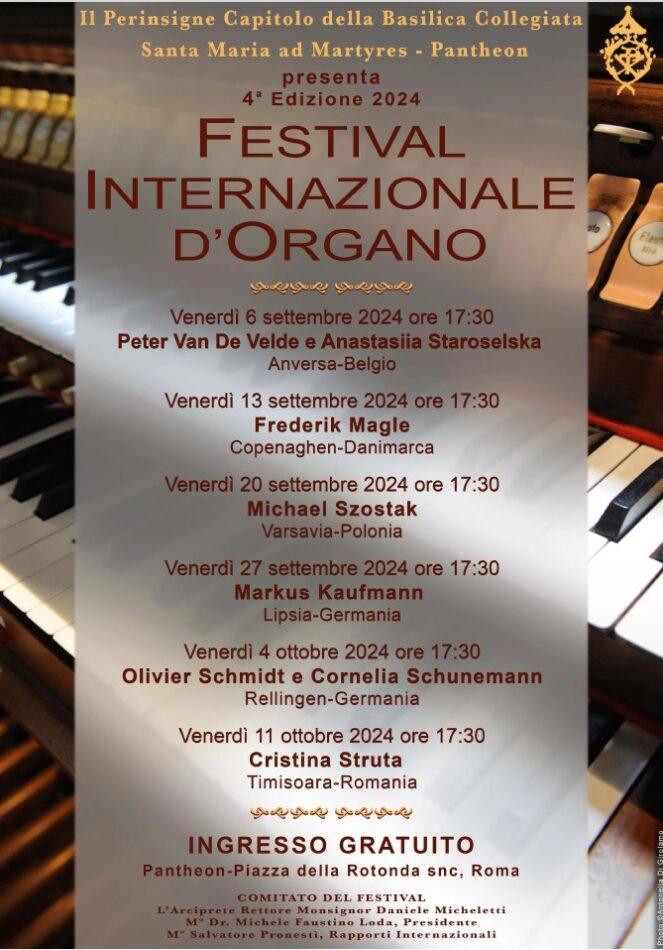
The IV° edition of the International Organ Festival will begin on 6 September and end on 11 October, every Friday at 5.30 pm, at the Basilica of Santa Maria ad Martyres – Pantheon in Rome, which will again this year see musicians from different parts of the world.

2024 Program

  • Venerdì 6 settembre 2024 ore 17,30: Concerto d’organo del M° Peter Van De Welde e del Mezzosoprano Anastasiia Staroselska (Belgio).
  • Venerdì 13 settembre 2024 ore 17,30: Concerto d’organo del M° Frederik Magle (Danimarca).
  • Venerdì 20 settembre 2024 ore 17,30: Concerto d’organo del M° Michael Szostak (Polonia).
  • Venerdì 27 settembre 2024 ore 17,30: Concerto d’organo del M° Markus Kaufmann (Germania).
  • Venerdì 4 ottobre 2024 ore 17,30: Concerto d’organo del M° Olivier Schmidt con la Sassofonista Cornelia Schunemann (Germania).
  • Venerdì 11 ottobre 2024 ore 17,30: Concerto d’organo della M° Cristina Struta (Romania).

Admission will be free.

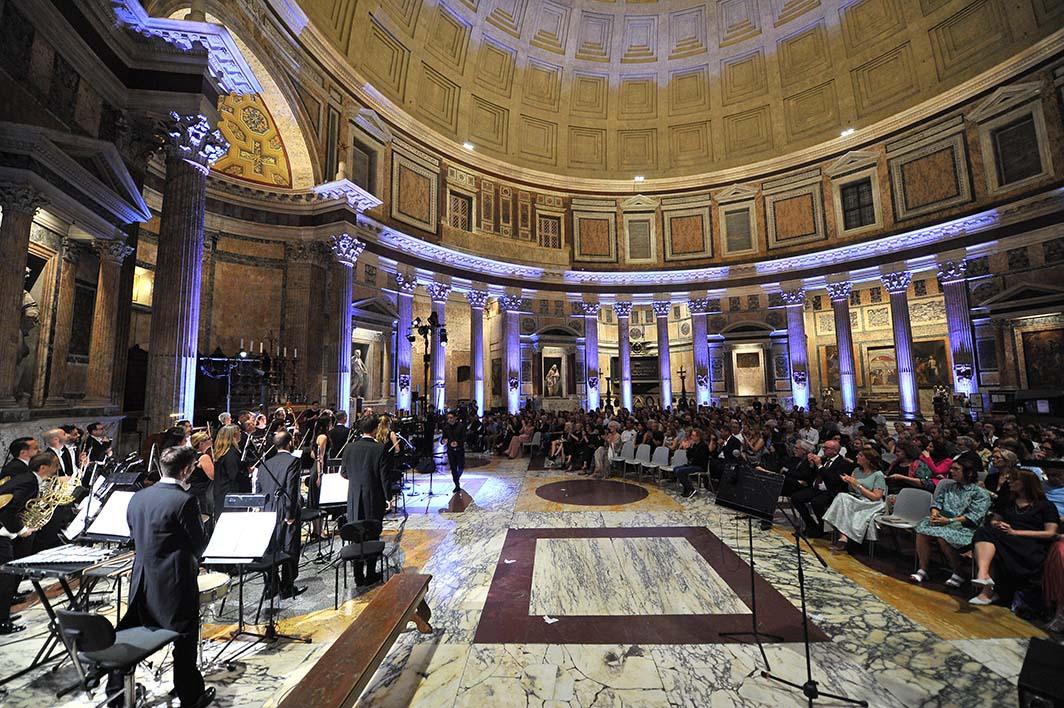
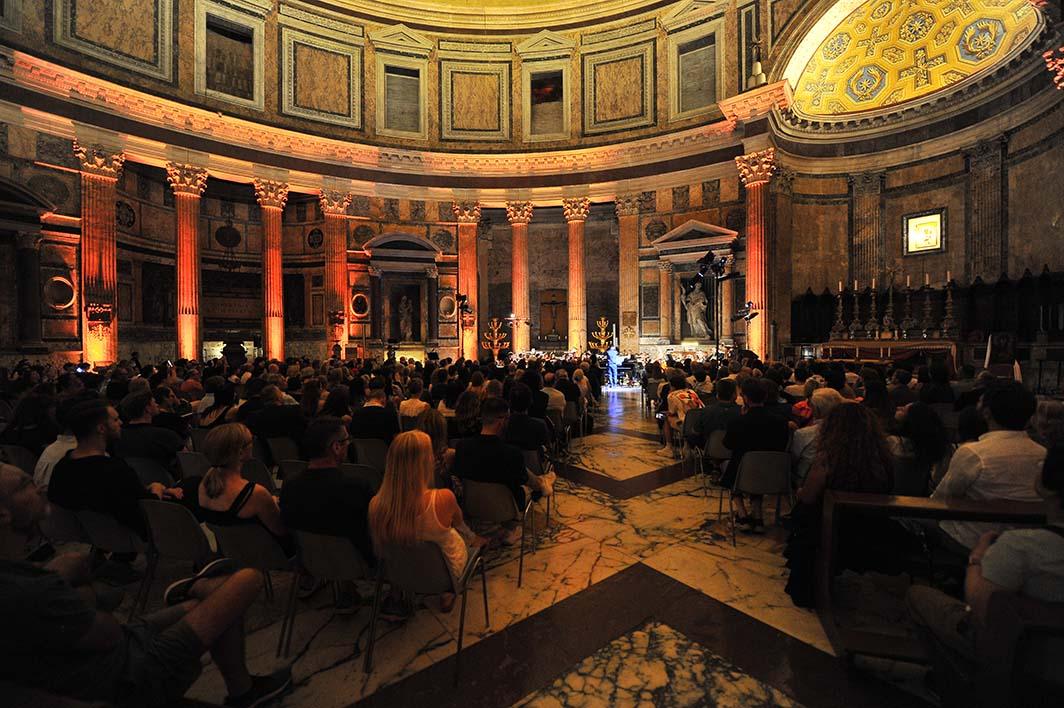
‘Pantheon Roma, a soundtrack experience’: the images of the concert

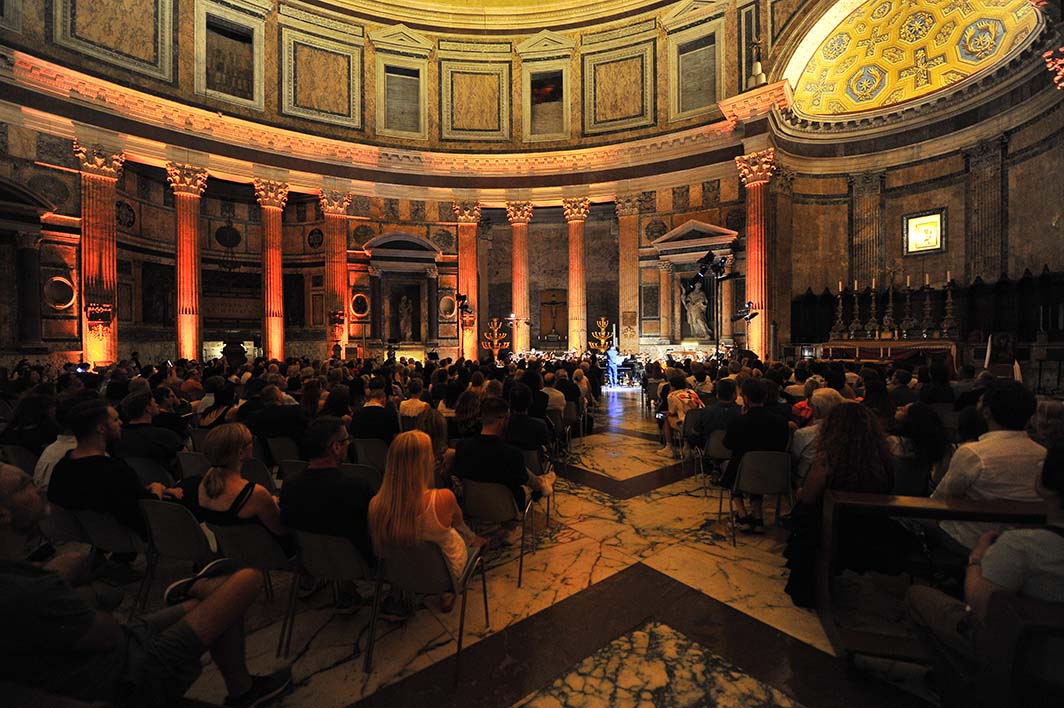
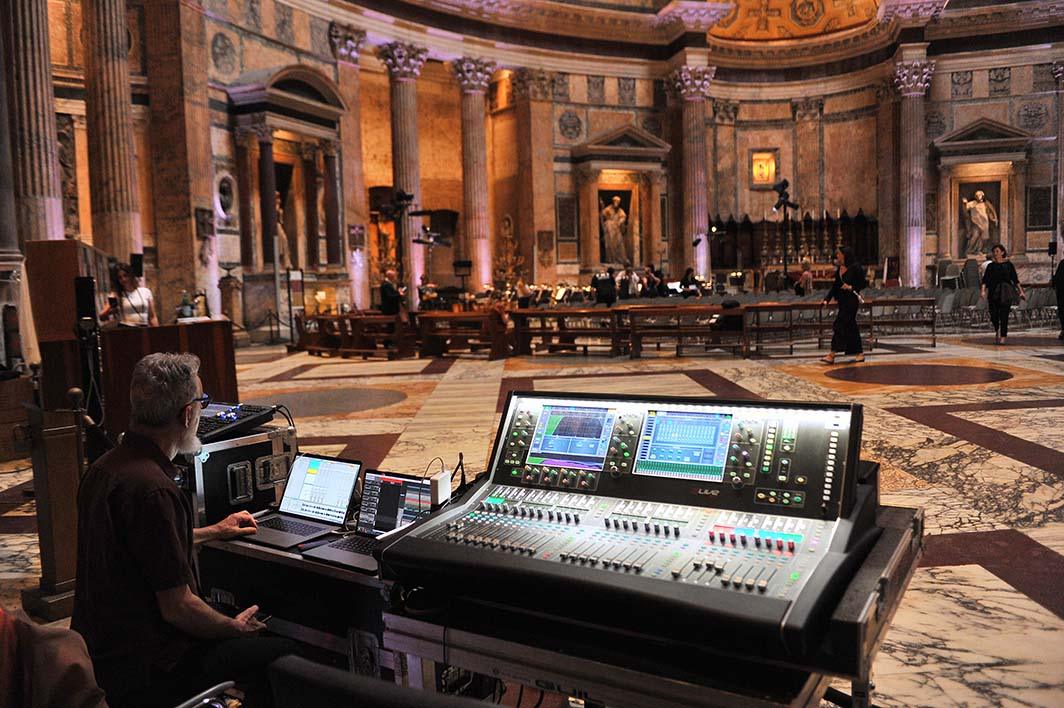
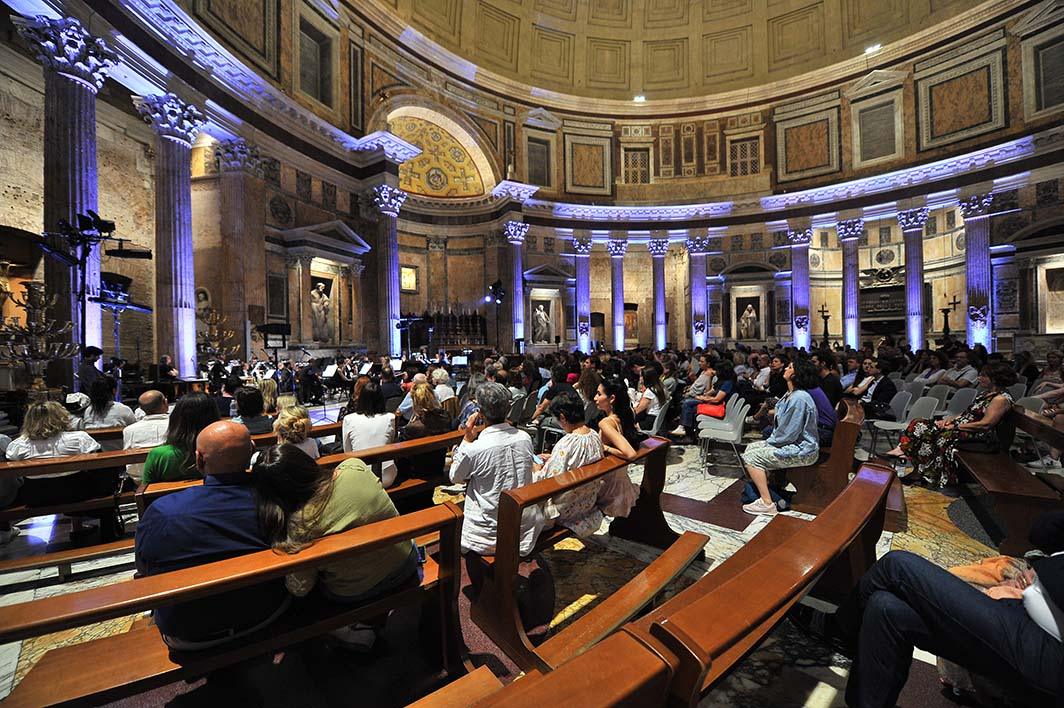
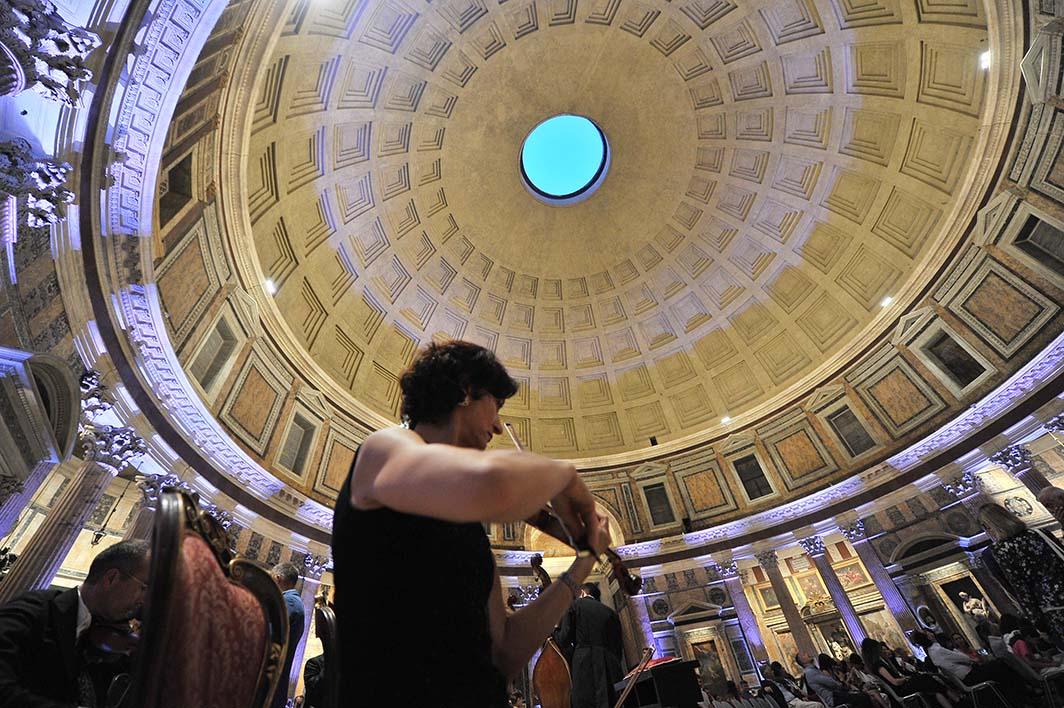
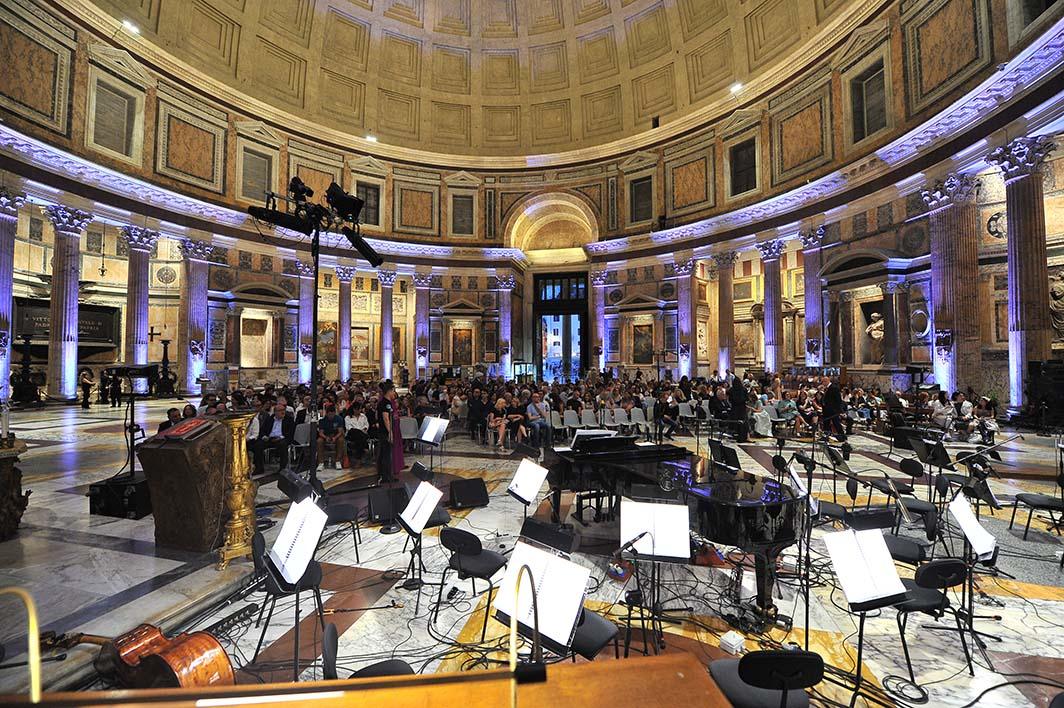
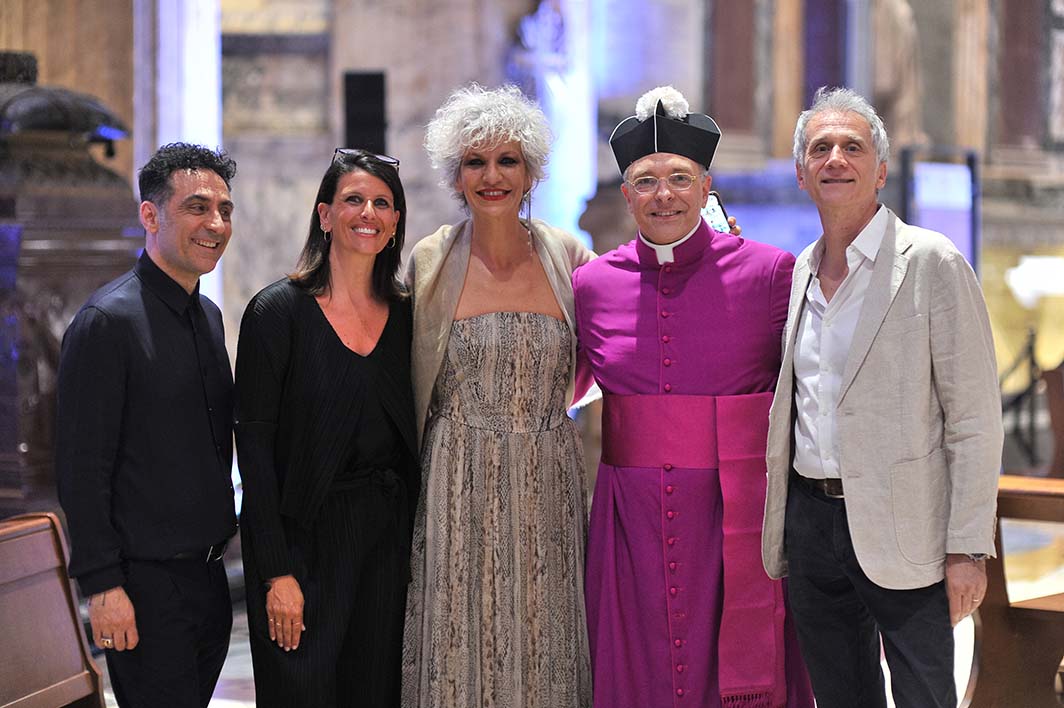
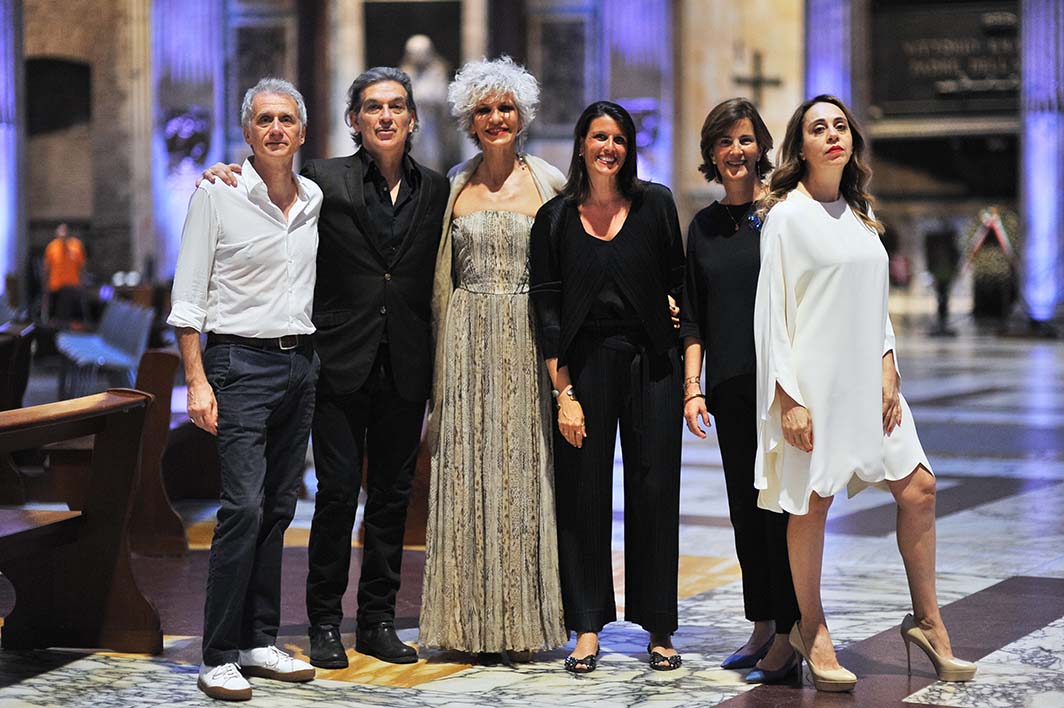
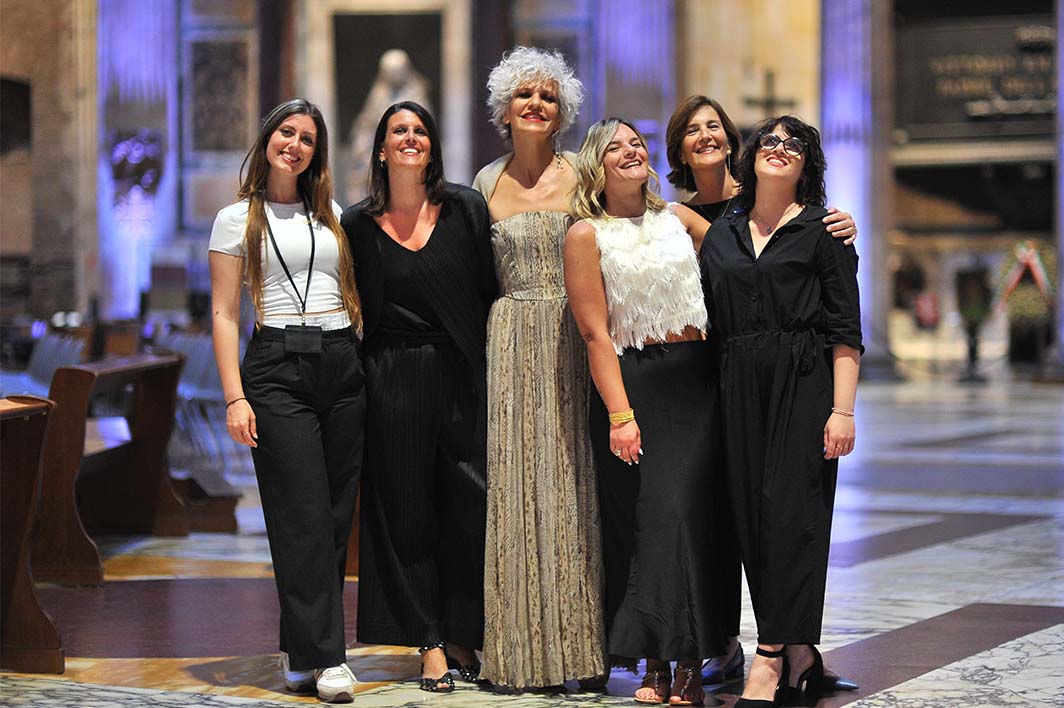
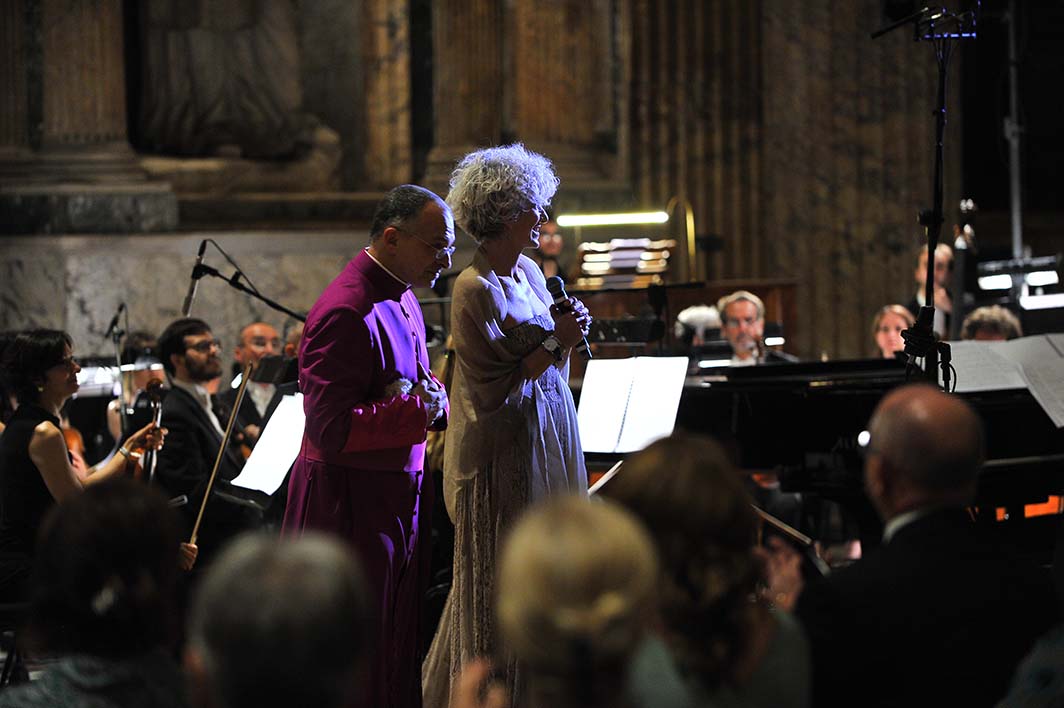
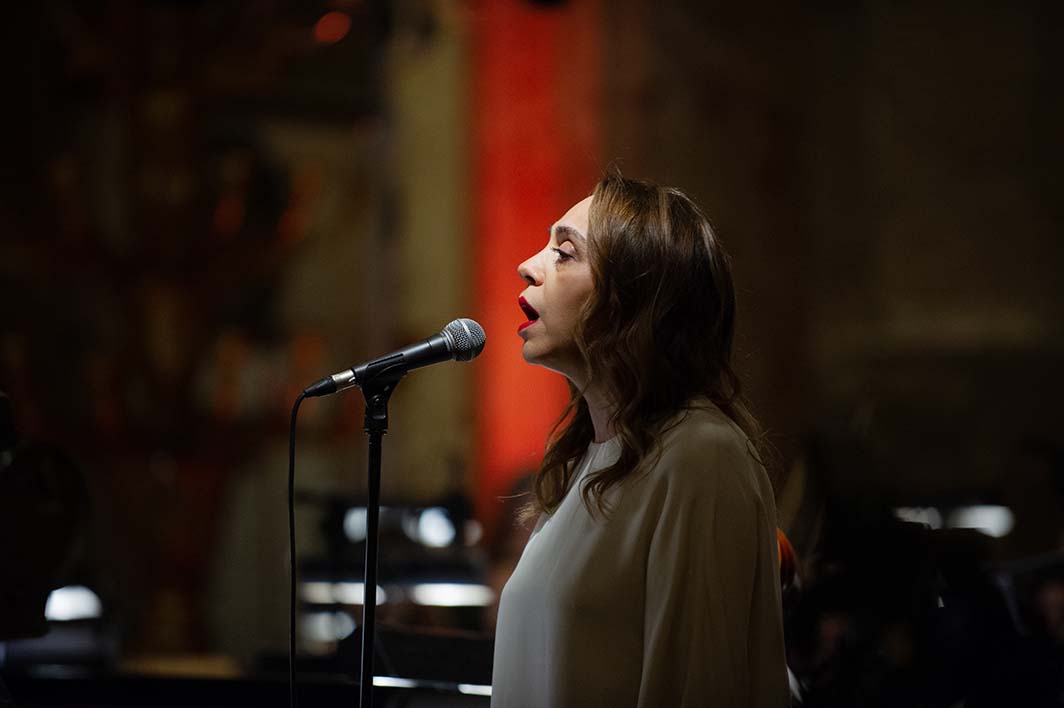
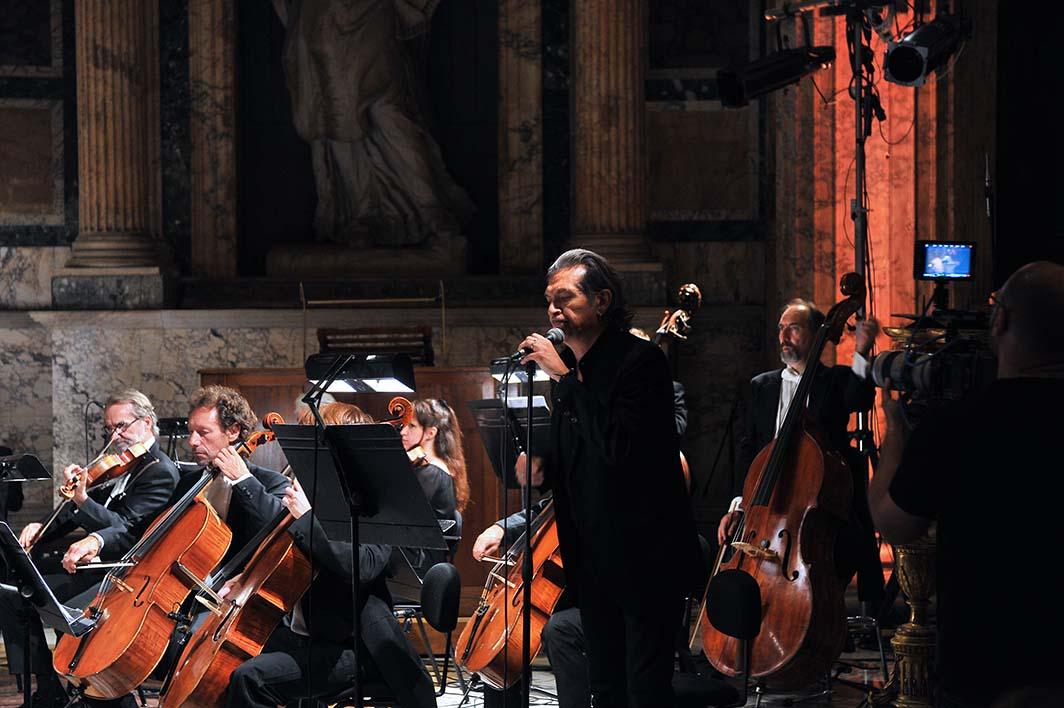
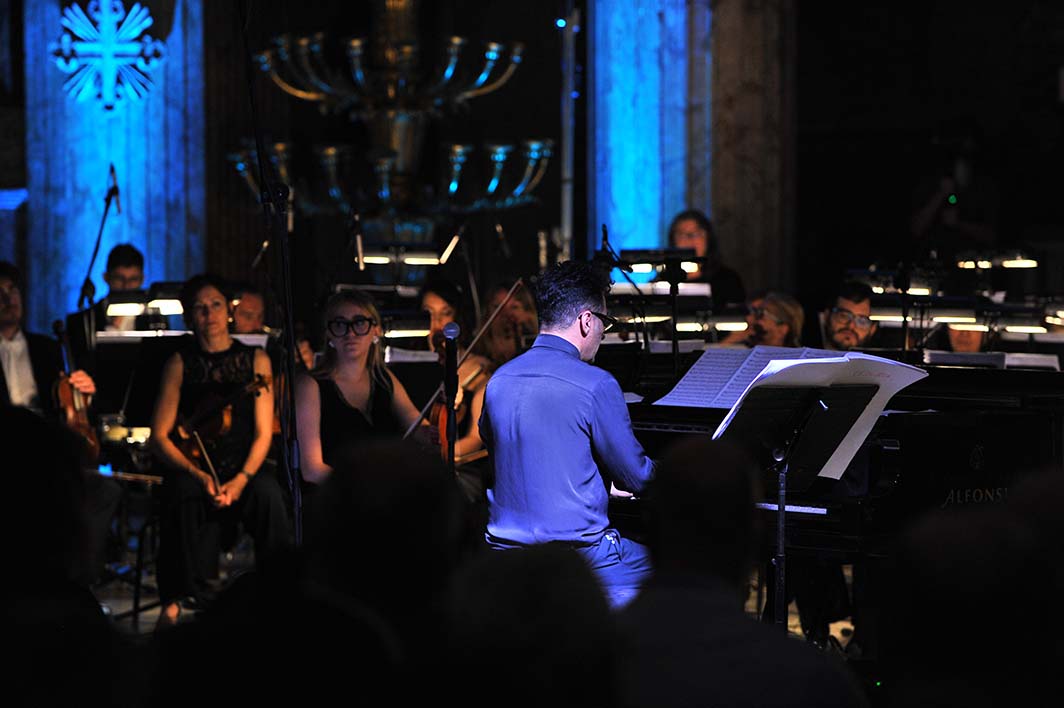
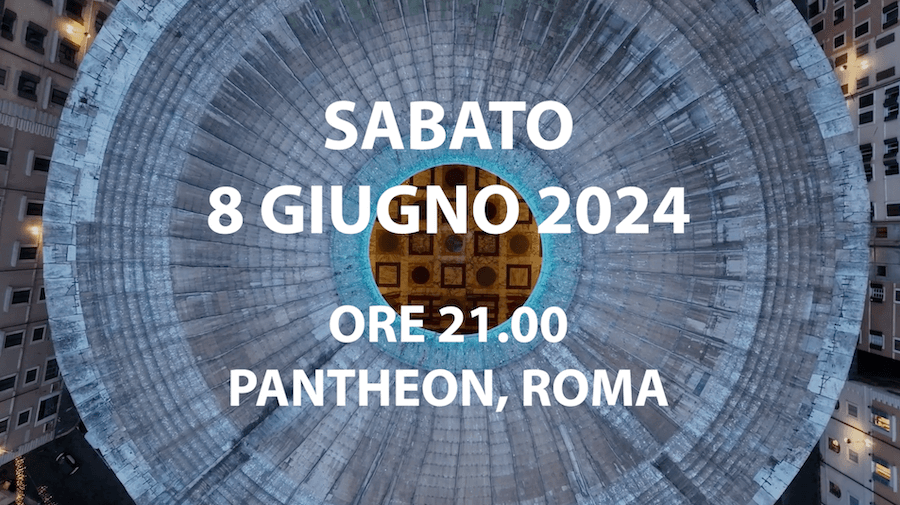
On Saturday 8 June, at 9pm, the concert was held at the Pantheon Pantheon Rome, a soundtrack experience. From tourist to pilgrim, towards the Jubilee,which waspromoted by the Chapter of the Canons of Santa Maria ad Martyres and by the Archpriest Rector , Monsignor Daniele Micheletti in collaboration with D’Uva.

big free event as part of the welcoming project “From tourist to pilgrim” which D’Uva manages for the Chapter and which represents a ‘precursor’ moment of the activities for the Jubilee which will take place starting next autumn and then throughout 2025.

The event resumed the story of the audio guide  produced for  the Pantheon in Rome, which, since last October, offers the surprising experience of a theatrical narrative journey accompanied by a special soundtrack by the musician Antonio Fresa, produced by D’Uva b> with Record Sticker, aimed at bringing the tourist who enters the Pantheon closer to his pilgrim dimension.

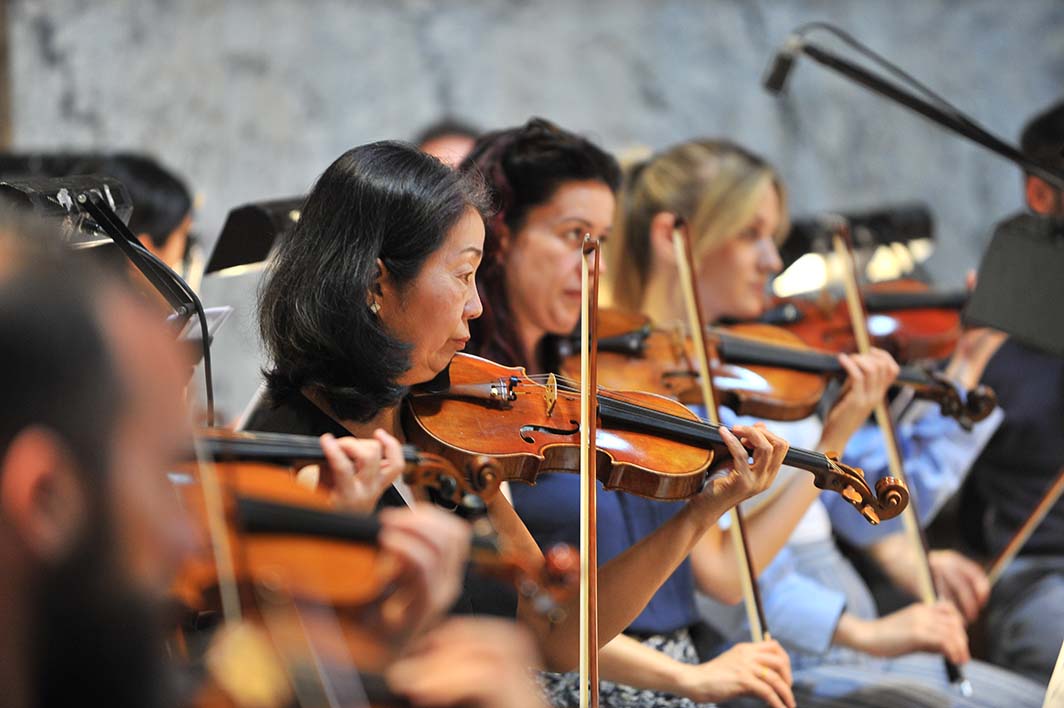
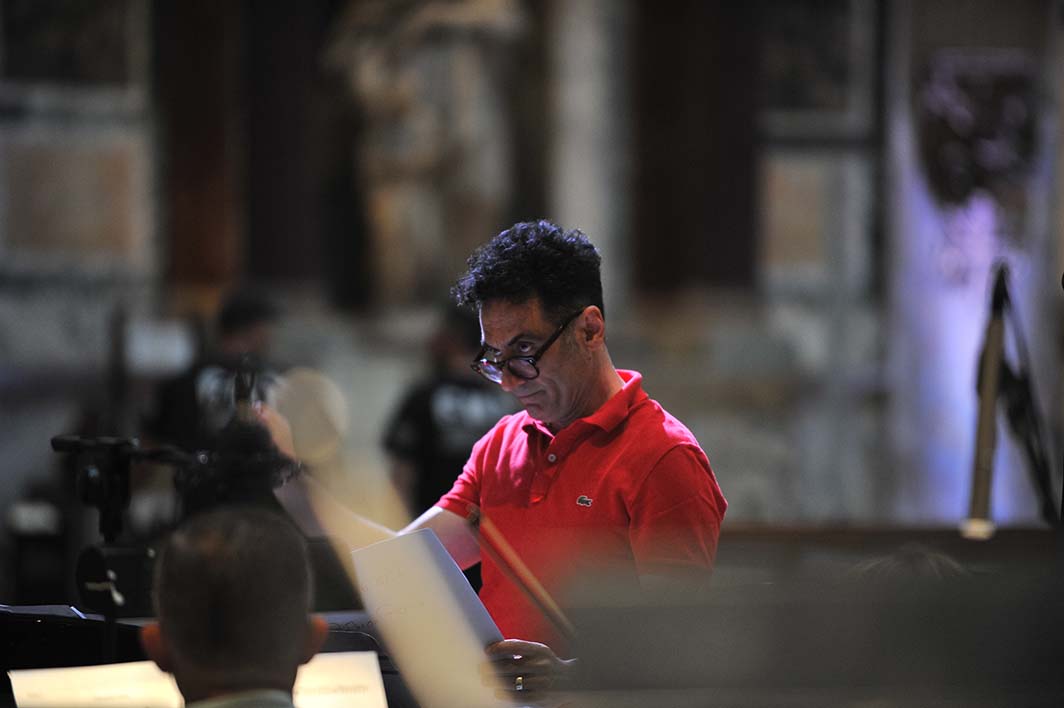
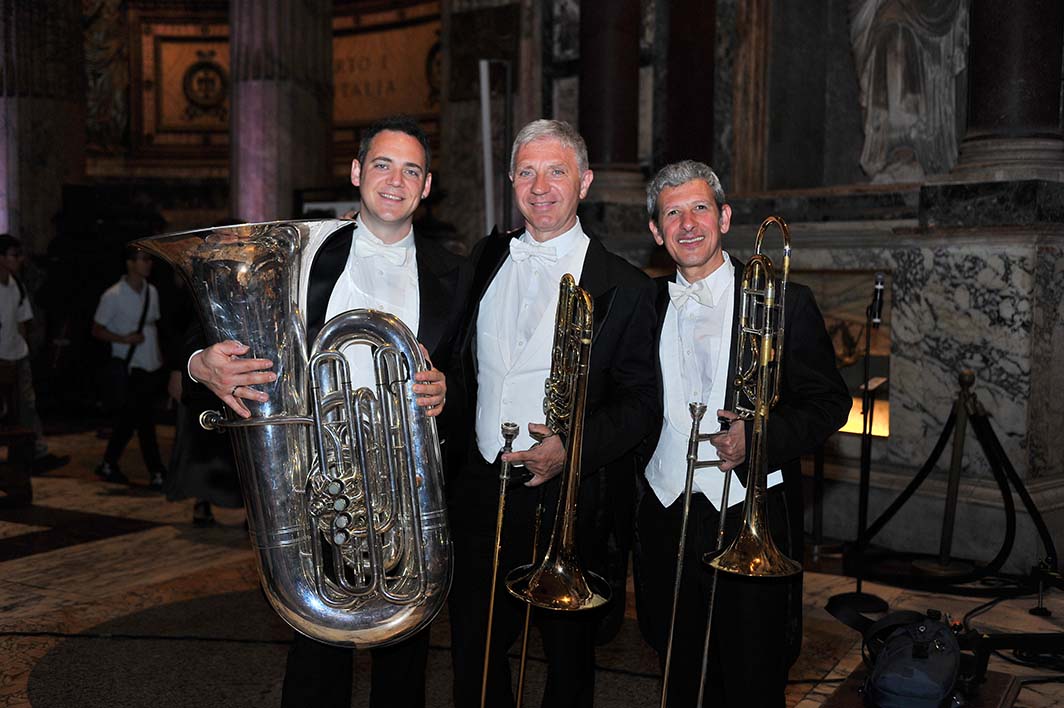
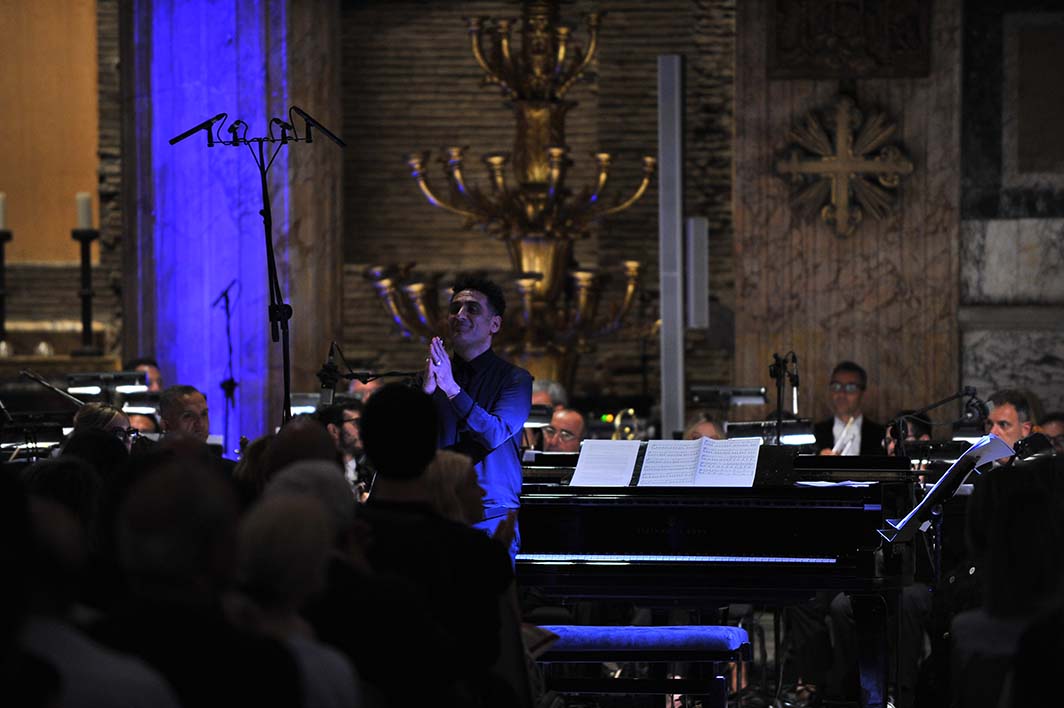
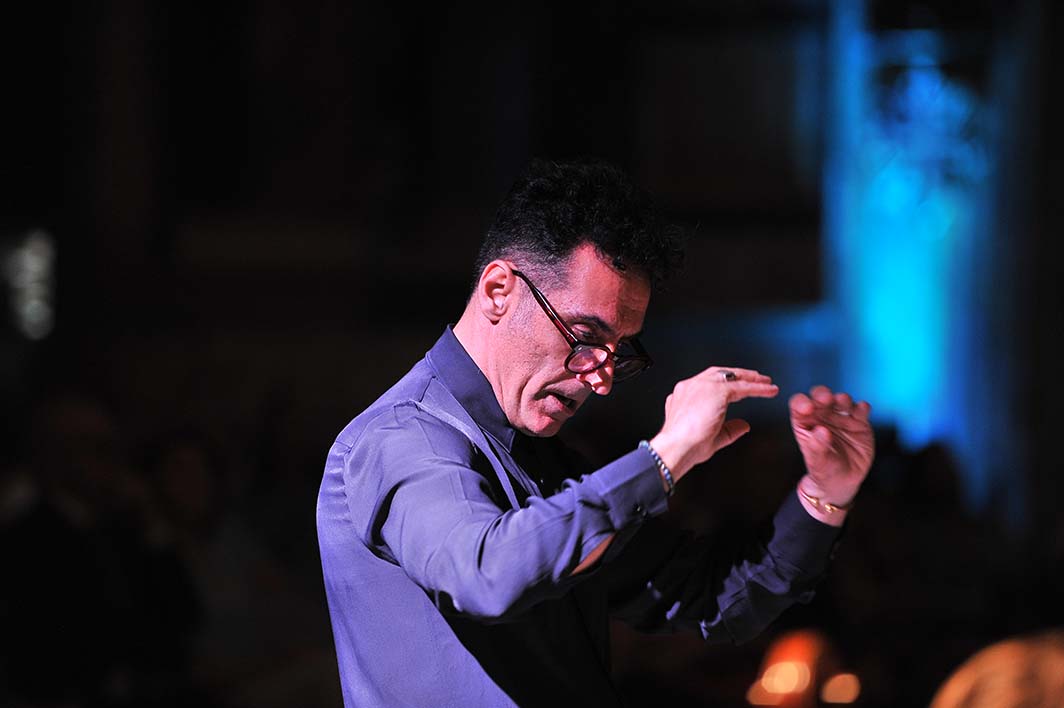
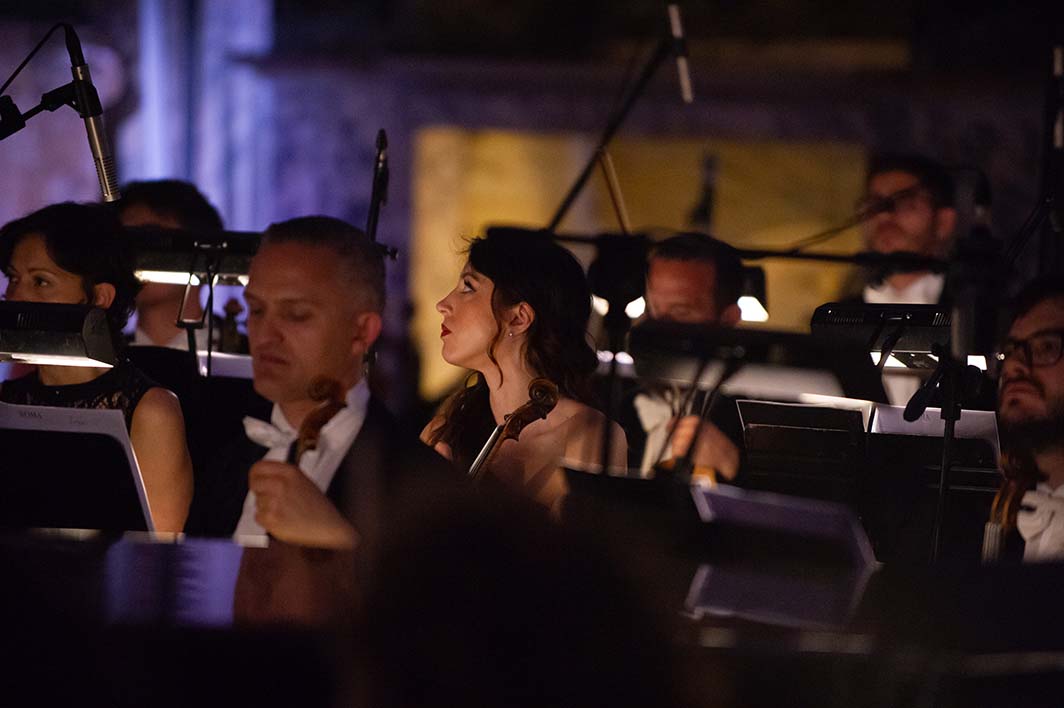
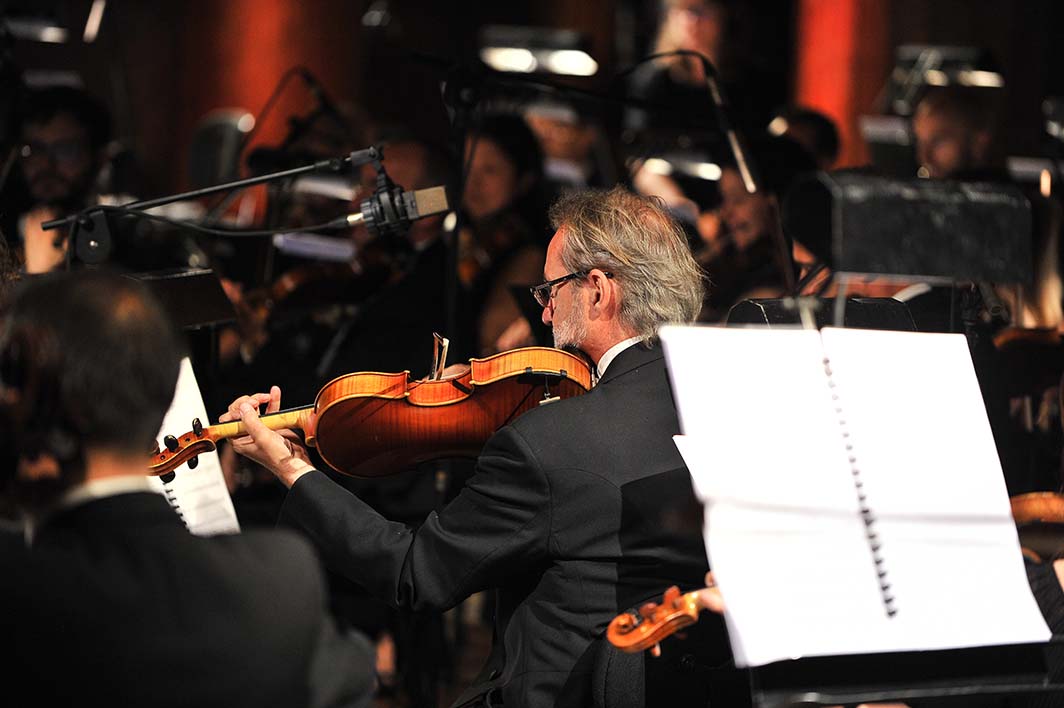
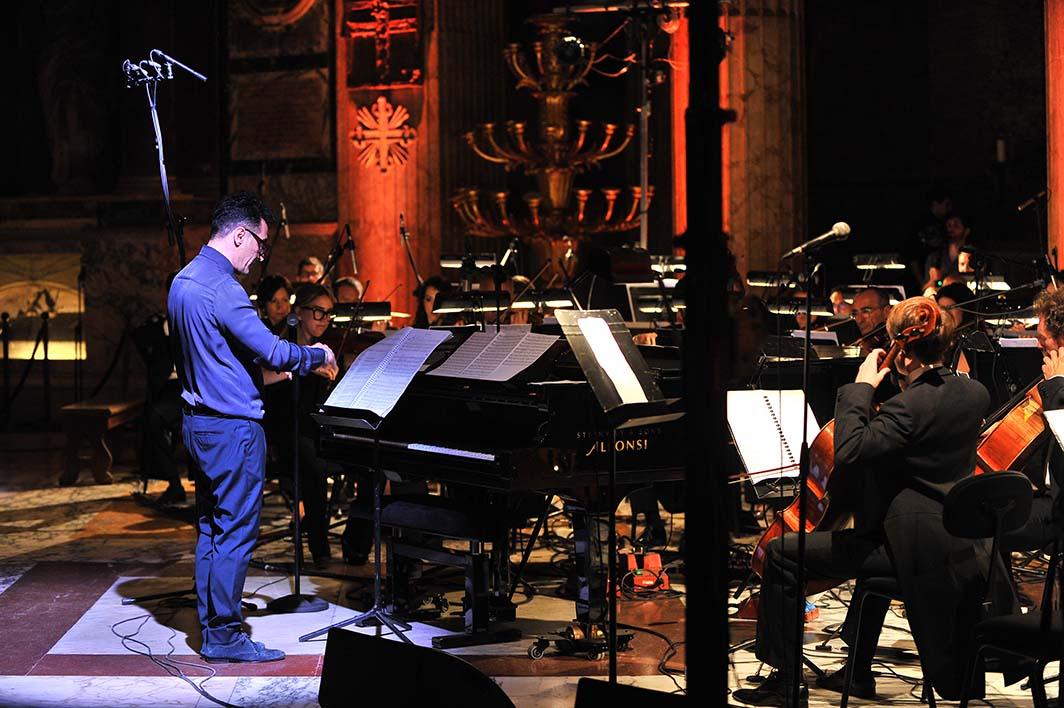
It was a unique and evocative event, which attracted many people and which was made even more extraordinary by the performance of theTheater Orchestra La Fenicewho performed the music composed l’ audiotour, with maestro Antonio Fresa on the piano.

FOTOGALLERY

Pantheon Roma, a soundtrack experience. Da turista a pellegrino, verso il Giubileo

CONCERT AT THE PANTHEON IN ROME, 8 June 2024

Soundtrack experience: concert at the Pantheon in Rome – 8 June

D’Uva and the Chapter of the Basilica of Santa Maria ad Martyres presents: 
From tourist to pilgrim, towards the Jubilee
Concert “Pantheon Rome, a soundtrack experience’
with the La Fenice Theater Orchestra conducted by Antonio Fresa</ h5>
Saturday 8 June 2024 
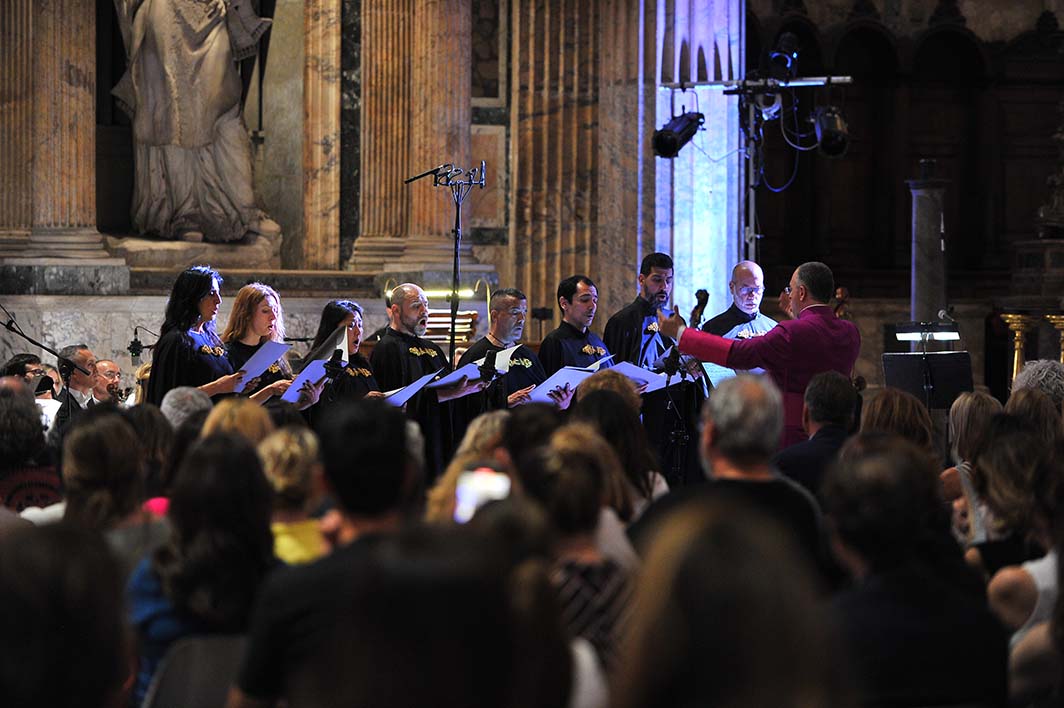
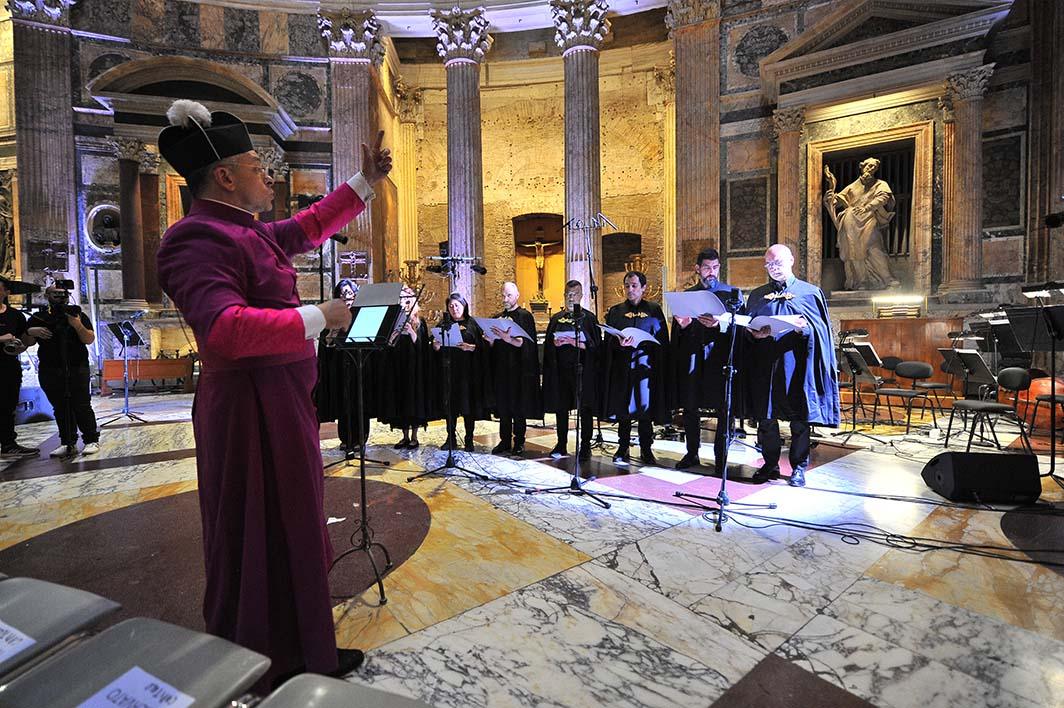
The Chapter of the Canons of Santa Maria ad Martyres and D’Uva present a new concert. The La Fenice Theater Orchestra conducted by Antonio Fresa on a musical journey through the original compositions composed for the audio guide of the Pantheon. With the participation of Amalia Gré, Luca Gemma and the Chorus of the Distinguished Cappella Musicale di Santa Maria ad Martyres.


From tourist to pilgrim, towards the Jubilee is the title of the concert which will be held on Saturday 8 June, at 9pm, at the famous monument of the capital, promoted by Chapter of the Canons of Santa Maria ad Martyres and by the Rector Archpriest, Monsignor Daniele Micheletti in collaboration with D’Uva, a company operating in the sector of cultural heritage interpretation and management of museum and hospitality services. A great free event as part of the “From tourist to pilgrim” welcome project that D’Uva manages for the Chapter and which represents a ‘precursor’ moment of the activities for the Jubilee which will take place starting next autumn and then throughout 2025.

The event resumes the story of the audio guide produced by D’Uva for the Basilica of Santa Maria ad Martyres, the Pantheon of Rome, which, since last October, offers the surprising experience of a theatrical narrative journey accompanied by a special soundtrack by the musician Antonio Fresa, produced by D’Uva with Adesiva Discografica, aimed at bringing the tourist who enters the Pantheon closer to its dimension of pilgrim.

An event made even more extraordinary by the performance of the Orchestra del Teatro La Fenice which will perform the music composed for the audio tour, with Antonio Fresa on the piano and conducting the orchestra. p>

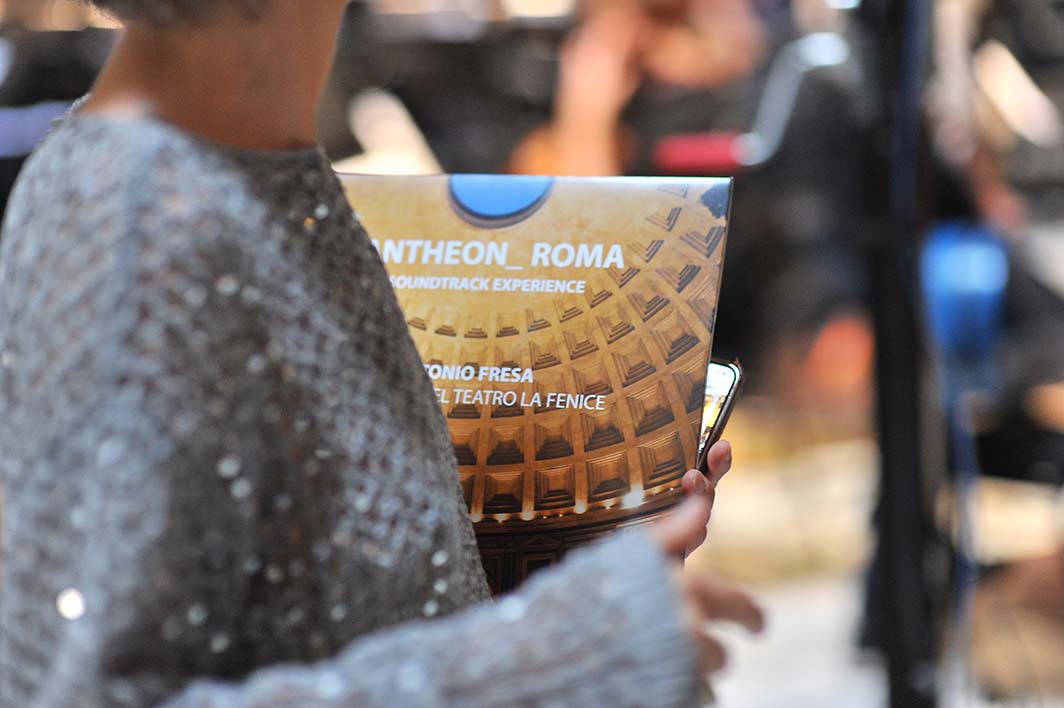
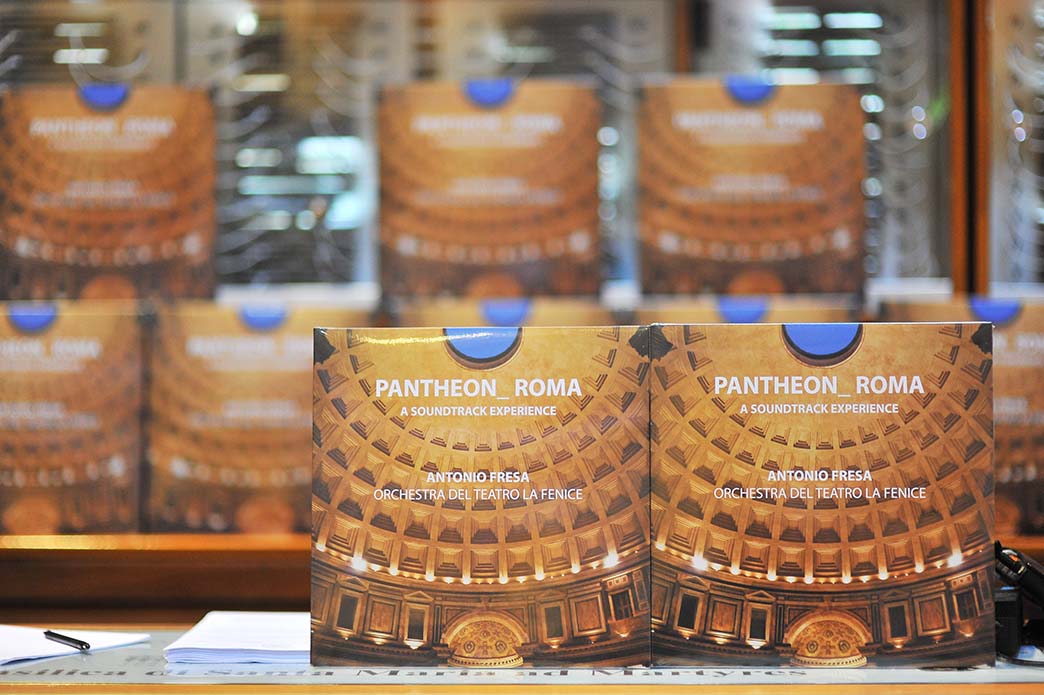
The first vinyl A soundtrack experience
The show will be an opportunity to present another great novelty: Pantheon Roma, a soundtrack experience is also the new vinyl produced by D’Uva and Adesiva Discographica, Paolo Iafelice’s label; the new vinyl, consisting of 15 tracks, will be available online, by purchasing any visit experience on this site (and which you can also find at the bottom of this page) and adding it to the cart before payment, or at the Pantheon reception desk, at the shop of the Basilica of San Lorenzo in Lucina.

festival internazionale d'organo 2023 Pantheon Roma

III International Organ Festival / Music at the Pantheon

III International Organ Festival

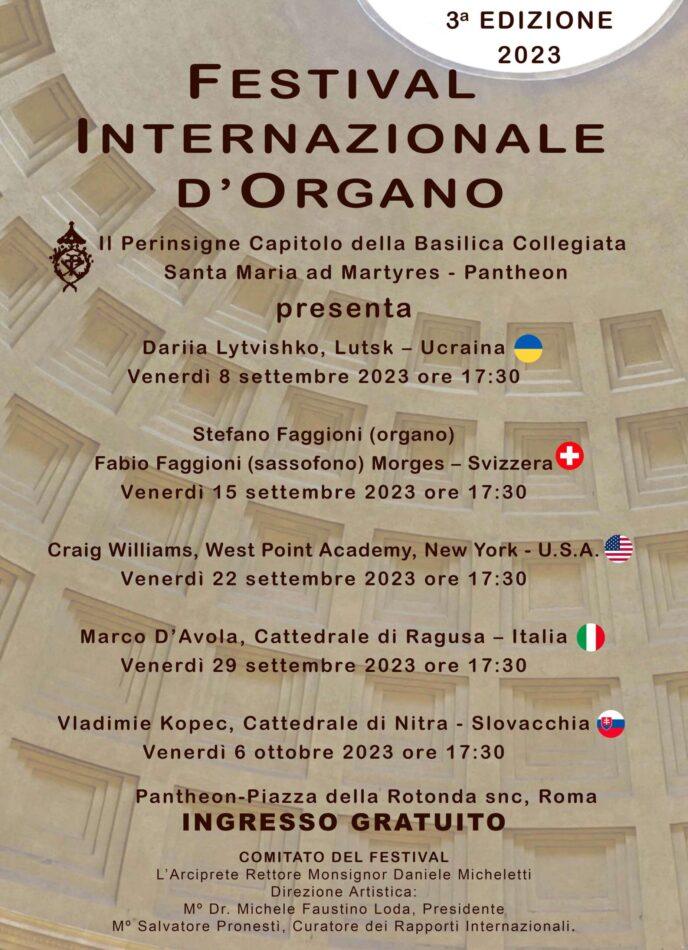
The 3rd edition of the International Organ Festival will begin on Friday 8 September and end on 6 October, every Friday at 5.30 pm, at the Basilica of Santa Maria ad Martyres – Pantheon in Rome, which will again this year see musicians from different parts of the world.

2023 Program

  • Friday 8 September 2023 at 5.30 pm Dariia Lytvishko, Lutsk – Ukraine
  • Friday 15 September 2023 at 5.30 pm Stefano Faggioni and Fabio Faggioni on saxophone, Morges – Switzerland
  • Friday 22 September 2023 at 5.30 pm Craig Williams, West Point Academy – New York – U.S.A.
  • Friday 29 September 2023 at 5.30 pm Marco D’Avola, of the cathedral of Ragusa – Italy
  • Friday 6 October 2023 at 5.30 pm Vladimie Kopec, of the cathedral of Nitra – Slovakia.

Admission will be free.

From July 3, the visit to the Pantheon will be paid for

FROM 3 JULY, THE PANTHEON IN ROME WILL BE PAID FOR.
From July 3, a paid ticket will be required to visit the Pantheon in Rome.
According to the provisions of the agreement signed between the Ministry of Culture and the Chapter of the Basilica of Santa Maria ad Martyres-Pantheon, the entrance ticket to the Pantheon complex will have an amount not exceeding 5 euros and will only be permitted outside the hours reserved for liturgical functions and pastoral activities, so that the exercise of worship inside the basilica is safeguarded. Free admission is also provided for residents of the capital.
The entrance ticket can be purchased online  on the web-platform of the Ministry of Culture or directly at the entrance of the monument, using cash or electronic payment.